Introduction
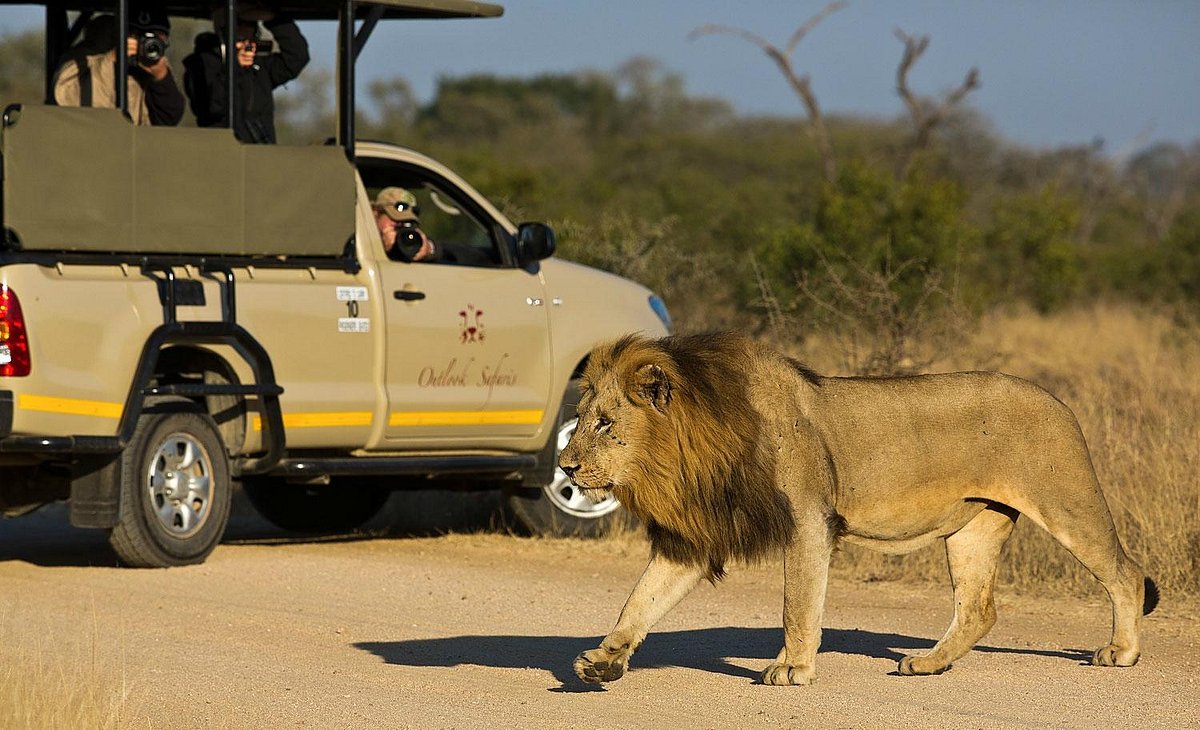
When it comes to exploring the raw wilderness, few experiences can rival the thrill of a South Africa safari. The idea of an outlook travel South Africa safari combines adventure, natural beauty, and cultural richness in one unforgettable journey. South Africa stands as one of the world’s top safari destinations, home to diverse landscapes, abundant wildlife, and luxurious yet sustainable accommodations.
From the vast savannahs of Kruger National Park to the rugged terrains of Madikwe and the coastal wonders of Addo Elephant Park, South Africa’s safari outlook offers something extraordinary for every traveler. Whether you’re seeking close encounters with the Big Five or a peaceful retreat surrounded by nature, this destination promises a lifetime of memories.
Why Choose South Africa for a Safari
A safari in South Africa isn’t just about seeing animals — it’s about immersing yourself in a complete ecosystem of life, history, and culture. Here’s why outlook travel South Africa safari experiences are admired globally:
- Biodiversity: Home to the Big Five (lion, leopard, buffalo, elephant, and rhino) plus countless bird species and reptiles.
- Accessibility: Modern infrastructure and easy internal travel make South Africa an ideal safari destination.
- Year-Round Travel: The country’s climate supports safari tourism throughout the year.
- Range of Options: From affordable self-drive adventures to luxury private lodges, there’s a safari for every budget.
- Sustainability: Many reserves focus on conservation and community development, ensuring tourism benefits locals and nature alike.
Top Safari Destinations in South Africa
1. Kruger National Park
Kruger National Park is the most iconic safari destination in South Africa. Spanning nearly 19,000 square kilometers, it offers one of the best wildlife-viewing experiences in Africa.
Visitors can enjoy both self-drive safaris and guided tours. The park is well-known for its excellent road network and a variety of accommodations, making it suitable for all travelers.
Highlights:
- Excellent Big Five sightings
- Affordable entry and lodging
- Ideal for photographers and first-time visitors
- Great for both families and solo travelers
2. Sabi Sands Game Reserve
Next to Kruger, the private Sabi Sands Game Reserve delivers a more exclusive safari experience. This reserve is famous for up-close leopard encounters and luxurious lodges. With no fences separating it from Kruger, animals roam freely between the two parks.
Highlights:
- Intimate and high-end lodges
- Exceptional guiding and hospitality
- Best for honeymooners and wildlife photographers
3. Addo Elephant National Park
Located in the Eastern Cape, Addo Elephant Park started as a small elephant sanctuary and expanded into one of South Africa’s largest reserves. It’s unique for offering the chance to see the “Big Seven”: the Big Five plus great white sharks and southern right whales.
Highlights:
- Malaria-free zone
- Perfect for families
- Coastal and inland safari experiences
4. Hluhluwe–iMfolozi Park
This KwaZulu-Natal park is the oldest game reserve in Africa and known for its role in rhino conservation. It’s a smaller, hilly park that offers beautiful landscapes and rich biodiversity.
Highlights:
- Famous for white rhino populations
- Excellent guided safaris and scenic drives
- Great for nature lovers
Safari Comparison Table
| Park Name | Location | Famous For | Best For | Safari Type | Best Season |
| Kruger National Park | Mpumalanga, Limpopo | Big Five, Self-drive routes | All travelers | Self & Guided Drives | May – September |
| Sabi Sands Game Reserve | Adjacent to Kruger | Leopards, Luxury Lodges | Couples, Photographers | Private Guided Safaris | All Year |
| Addo Elephant Park | Eastern Cape | Elephants, Big Seven | Families | Self & Guided Safaris | June – November |
| Hluhluwe–iMfolozi Park | KwaZulu-Natal | Rhino Conservation | Eco-tourists | Guided & Walking Safaris | May – August |
| Madikwe Game Reserve | North West Province | Wild Dogs, Malaria-free Zone | Families, Groups | Guided Safaris | April – September |
Types of Safari Experiences
1. Self-Drive Safari
For adventure-seeking travelers, a self-drive safari provides the freedom to explore at your own pace. Kruger and Addo are excellent parks for this type of journey, offering well-marked roads and maps.
2. Guided Game Drives
Professional guides lead small groups in open vehicles, ensuring safe and educational encounters. This is ideal for travelers who want expert insight into animal behavior and the environment.
3. Walking Safaris
Walking safaris are a thrilling way to experience the wilderness up close. Accompanied by armed rangers, travelers learn about animal tracks, plants, and ecosystems.
4. Luxury Safaris
Luxury safaris combine comfort with wild adventure. Lodges often include private decks, gourmet meals, spas, and pools overlooking the savannah.
Best Time for a South African Safari
| Season | Months | What to Expect |
| Dry Season | May – September | Best wildlife visibility, cooler weather, less vegetation |
| Wet Season | October – April | Lush landscapes, bird migrations, fewer tourists |
The dry season is best for spotting animals near waterholes, while the wet season offers vibrant scenery and newborn wildlife.
Cultural and Culinary Touches
An outlook travel South Africa safari isn’t just about wildlife; it’s also a journey through culture. Many lodges organize visits to nearby villages where guests can experience local traditions, music, and crafts.
Food lovers will find South African cuisine deeply satisfying. Enjoy dishes like biltong (cured meat), bobotie (spiced minced meat bake), and potjiekos (stew cooked over open fire). Dining under the stars while listening to the sounds of the wild makes the experience truly magical.
Practical Safari Tips
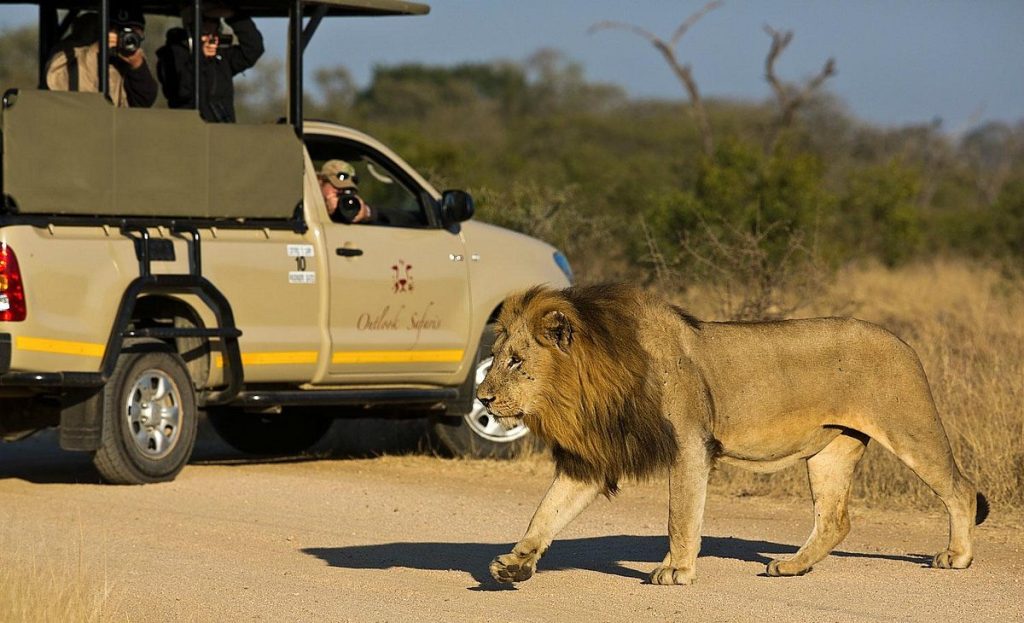
- Book in advance, especially during school holidays and dry months.
- Pack neutral clothing, a hat, sunscreen, and binoculars.
- Follow your guide’s instructions for safety.
- Carry insect repellent and a good camera.
- Respect wildlife and avoid loud noises or sudden movements.
Estimated Safari Costs (Per Person/Per Day)
| Safari Type | Average Cost (USD) | Includes |
| Self-Drive Safari | 100 – 200 | Park entry, lodging, vehicle rental |
| Guided Safari | 250 – 500 | Game drives, meals, lodging |
| Luxury Safari | 600 – 1,200 | All-inclusive, private guides, premium stay |
| Budget Safari Camp | 80 – 150 | Shared safaris, basic facilities |
These costs vary by season, location, and level of comfort — ensuring options for every kind of traveler.
Responsible and Sustainable Tourism
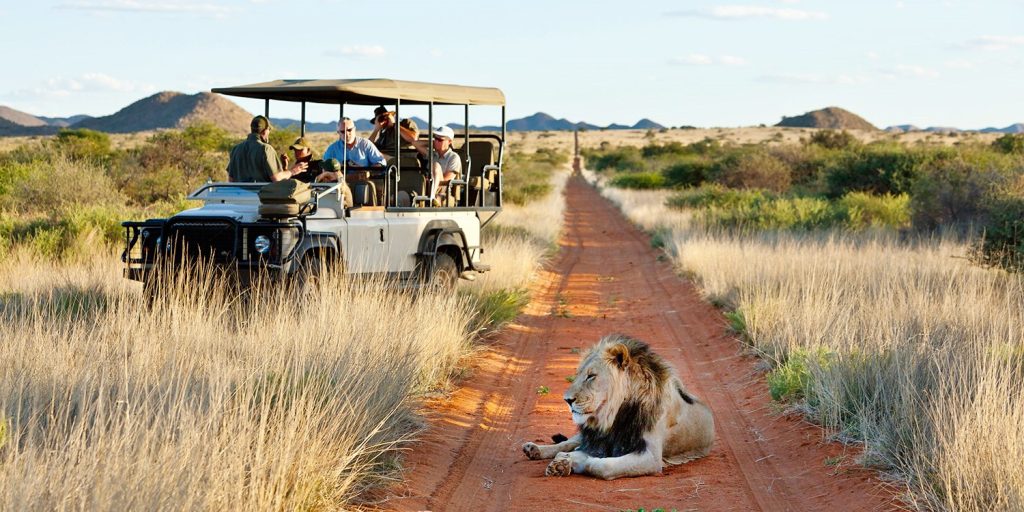
Conservation is at the heart of South Africa’s safari industry. Many reserves operate community-driven projects, ensuring that tourism supports both wildlife protection and local livelihoods.
By choosing eco-friendly lodges and responsible operators, travelers contribute to safeguarding endangered species such as rhinos, wild dogs, and elephants. Sustainable tourism ensures that Africa’s natural treasures endure for generations to come.
Conclusion
An outlook travel South Africa safari is more than an adventure; it’s an experience that awakens the soul. It blends wildlife encounters, cultural immersion, and scenic beauty into a single, unforgettable journey.
From the roaring lions of Kruger to the tranquil landscapes of Madikwe and the ocean views of Addo, South Africa’s safari landscape has it all. Whether you prefer a luxury lodge or a budget-friendly camp, the country promises an adventure that connects you deeply with nature.
A safari in South Africa isn’t just about what you see—it’s about what you feel. Every sunrise brings new wonders, and every sunset tells the timeless story of Africa’s wild spirit.