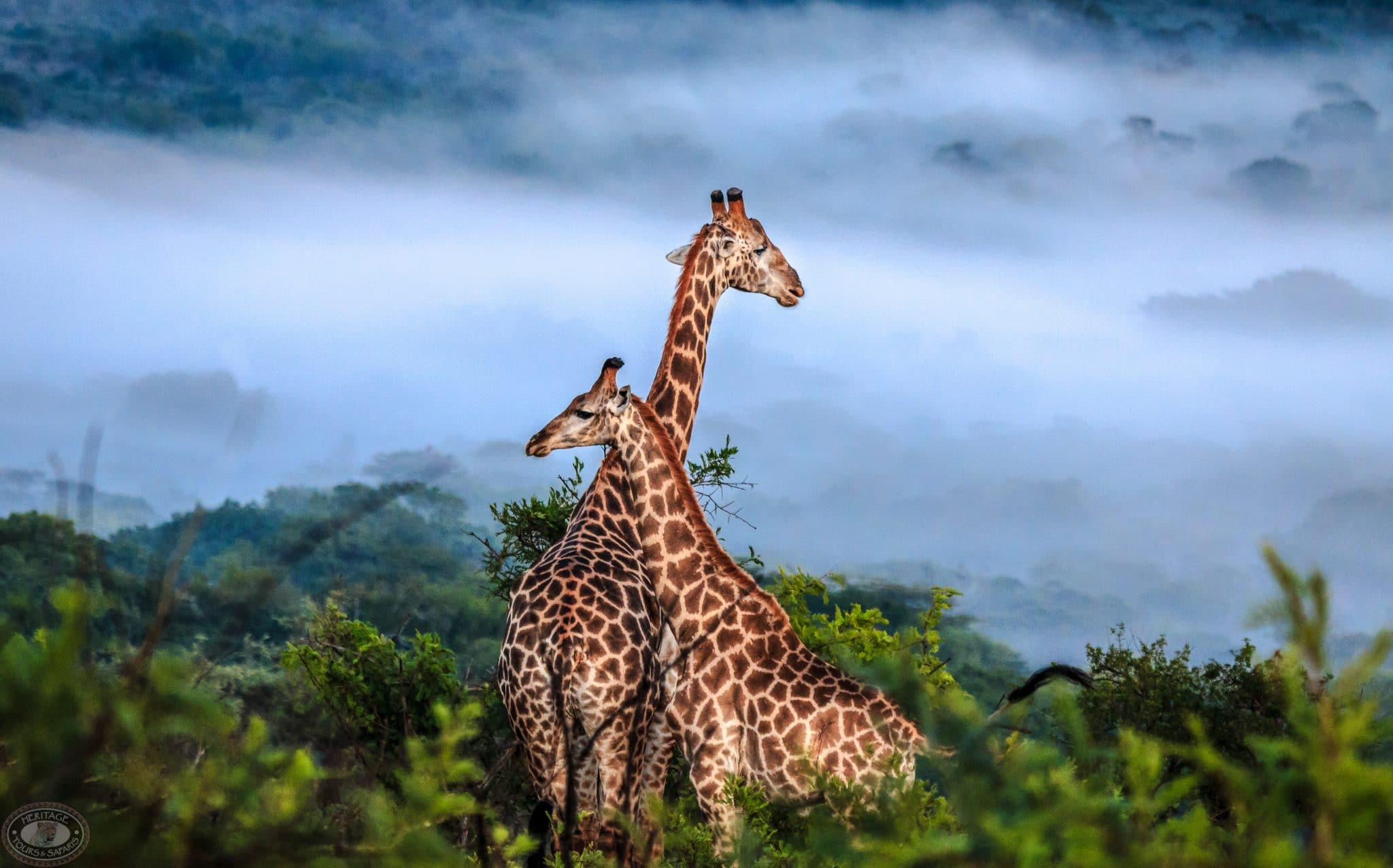
A trip to South Africa is more than just a holiday—it’s a journey into the wild heart of Africa. The country’s safaris are famous worldwide for their stunning landscapes, incredible biodiversity, and close encounters with majestic animals. When you travel South Africa Safari, you witness nature’s drama unfold right before your eyes. From lions hunting on golden plains to elephants roaming freely through forests, every moment offers a breathtaking story.
1. Introduction: Why South Africa Stands Out
South Africa has long been recognized as one of the top safari destinations on earth. What sets it apart is its diversity—both in landscapes and experiences. You can drive through dry savannas in the Kruger National Park, walk through lush green forests in KwaZulu-Natal, and even spot whales along the southern coastline—all within one country.
Travelers love South Africa because it combines wild adventure with modern comfort. Excellent infrastructure, friendly people, and diverse accommodation options make it ideal for families, solo travelers, and honeymooners alike.
2. The Magic of South African Wildlife
South Africa is home to the legendary Big Five—lion, leopard, elephant, buffalo, and rhino. But beyond these iconic animals, the country shelters over 20,000 plant species, 850 bird species, and hundreds of mammals and reptiles.
Each region offers its own wildlife highlights:
- Kruger National Park – best for spotting the Big Five.
- Addo Elephant National Park – known for massive elephant herds.
- Pilanesberg Reserve – malaria-free and close to Johannesburg.
- Hluhluwe–Imfolozi Park – famous for rhino conservation.
- Madikwe Game Reserve – great for luxury safaris and family trips.
South Africa’s national parks are models of successful conservation, ensuring that wildlife thrives in protected, natural environments.
3. Comparison of Popular Safari Parks
| Safari Destination | Location | Famous For | Best Time to Visit |
|---|---|---|---|
| Kruger National Park | Mpumalanga & Limpopo | Big Five, huge diversity | May – October |
| Addo Elephant Park | Eastern Cape | Elephants, coastal scenery | April – September |
| Sabi Sands Reserve | Adjacent to Kruger | Luxury lodges, leopards | Year-round |
| Hluhluwe–Imfolozi Park | KwaZulu-Natal | Rhinos, hill views | May – October |
| Pilanesberg Reserve | North West | Family-friendly, malaria-free | May – September |
Each park gives a unique experience—from luxury and photography to adventure and conservation.
4. Types of Safaris You Can Experience
a. Game Drive Safari
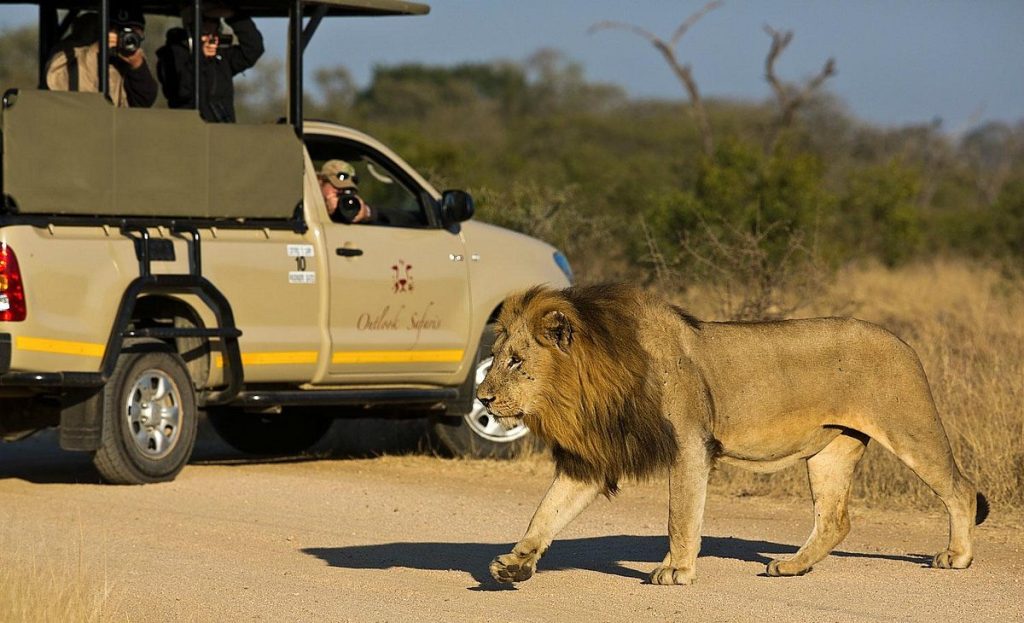
These guided trips in open 4×4 vehicles are the classic safari experience. Rangers and trackers help you find animals while explaining their behaviors and natural habitats.
b. Walking Safari
For the adventurous, walking safaris offer a chance to explore the wilderness on foot. Accompanied by experts, you learn to read animal tracks, identify plants, and truly connect with nature.
c. Self-Drive Safari
South Africa’s excellent roads allow you to rent a car and explore at your own pace. This flexible option is popular in parks like Kruger, where routes are well-marked and safe.
d. Luxury Safari
If comfort is a priority, luxury lodges offer all-inclusive packages with private guides, fine dining, and spa services. It’s perfect for honeymoons or once-in-a-lifetime experiences.
e. Photographic Safari
These safaris cater to photography lovers, with vehicles designed for camera stability and guides who know the best lighting and angles for wildlife shots.
5. Best Time to Travel South Africa Safari
Timing your safari can make a big difference in what you see and experience.
| Season | Weather Conditions | Safari Highlights |
|---|---|---|
| May – October (Dry Winter) | Cool, dry air | Best for Big Five sightings |
| November – April (Wet Summer) | Warm, green landscapes | Birdwatching, baby animals |
The dry season is ideal for game viewing since animals gather around waterholes. However, the summer season brings vibrant greenery and fewer tourists, offering a peaceful and scenic adventure.
6. Accommodation Options During Your Safari
South Africa caters to every budget. You can enjoy five-star luxury or choose simple eco-lodges that immerse you in nature.
- Luxury Lodges: Private decks, gourmet food, and infinity pools with savanna views.
- Tented Camps: Perfect blend of comfort and adventure; close to wildlife.
- Budget Campsites: For travelers who love simplicity and independence.
- Family Resorts: Kid-friendly safaris, safe areas, and educational tours.
Most safari lodges in South Africa are eco-friendly and support local communities, ensuring your travel benefits both nature and people.
7. Cultural and Community Experiences
A true South African safari goes beyond wildlife—it’s also about understanding its people and traditions. Travelers can visit Zulu, Xhosa, and Tswana villages, participate in cultural performances, and learn ancient crafts and storytelling traditions.
Many safari lodges partner with local communities, employing local guides and supporting education or conservation programs. This makes your journey not only adventurous but meaningful as well.
8. Essential Travel Tips for Safari Visitors
Before you set off on your South African adventure, keep these expert tips in mind:
- Pack smartly: Neutral-colored clothes, hat, sunscreen, and binoculars are essential.
- Stay hydrated: Carry reusable bottles and drink plenty of water.
- Listen to guides: They ensure your safety and help you spot hidden animals.
- Respect wildlife: Never disturb animals or step out of vehicles without permission.
- Get travel insurance: Safaris are safe, but coverage adds peace of mind.
- Book early: Especially during high season (June to October).
Also, remember that most reserves are malaria-free, but check vaccination or medication requirements before travel.
9. Adventure Beyond the Safari
After your safari, South Africa offers countless attractions to extend your journey:
- Cape Town: Explore Table Mountain, Cape Point, and vibrant city life.
- Garden Route: A scenic coastal drive filled with beaches, forests, and lagoons.
- Drakensberg Mountains: Ideal for hiking and nature photography.
- Wine Regions: Stellenbosch and Franschhoek for world-class wines.
Combining your Travel South Africa Safari with these destinations ensures a complete and unforgettable experience.
10. The Importance of Responsible Tourism
Responsible travel helps protect the environment and wildlife for future generations. Choose tour operators that follow ethical practices, avoid disturbing animals, and contribute to conservation.
Many parks in South Africa have adopted sustainable tourism principles, such as solar energy, waste reduction, and community involvement. Your responsible choices make a real difference in preserving Africa’s heritage.
11. A Sample 5-Day South Africa Safari Itinerary
| Day | Destination | Activities |
|---|---|---|
| Day 1 | Arrival in Johannesburg → Kruger | Evening game drive, sunset dinner |
| Day 2 | Kruger National Park | Full-day safari, Big Five spotting |
| Day 3 | Sabi Sands Reserve | Walking safari, wildlife photography |
| Day 4 | Panorama Route | Visit Blyde River Canyon, God’s Window |
| Day 5 | Return to Johannesburg | Cultural visit and souvenir shopping |
This itinerary gives a balanced mix of adventure, nature, and local culture.
12. Conclusion: Experience the Soul of Africa
A Travel South Africa Safari is more than an adventure—it’s a spiritual encounter with the raw power of nature. Watching a lion roar at sunrise or seeing an elephant family cross a dusty road leaves an impression that lasts forever.
South Africa invites you to slow down, breathe deeply, and feel the rhythm of the wild. Whether you stay in a luxury lodge or a simple tented camp, the connection you build with nature is priceless.
So pack your camera, open your heart, and set out on a journey through the untamed wilderness of Africa—because a safari in South Africa isn’t just a trip, it’s a story you’ll tell for a lifetime.