Introduction
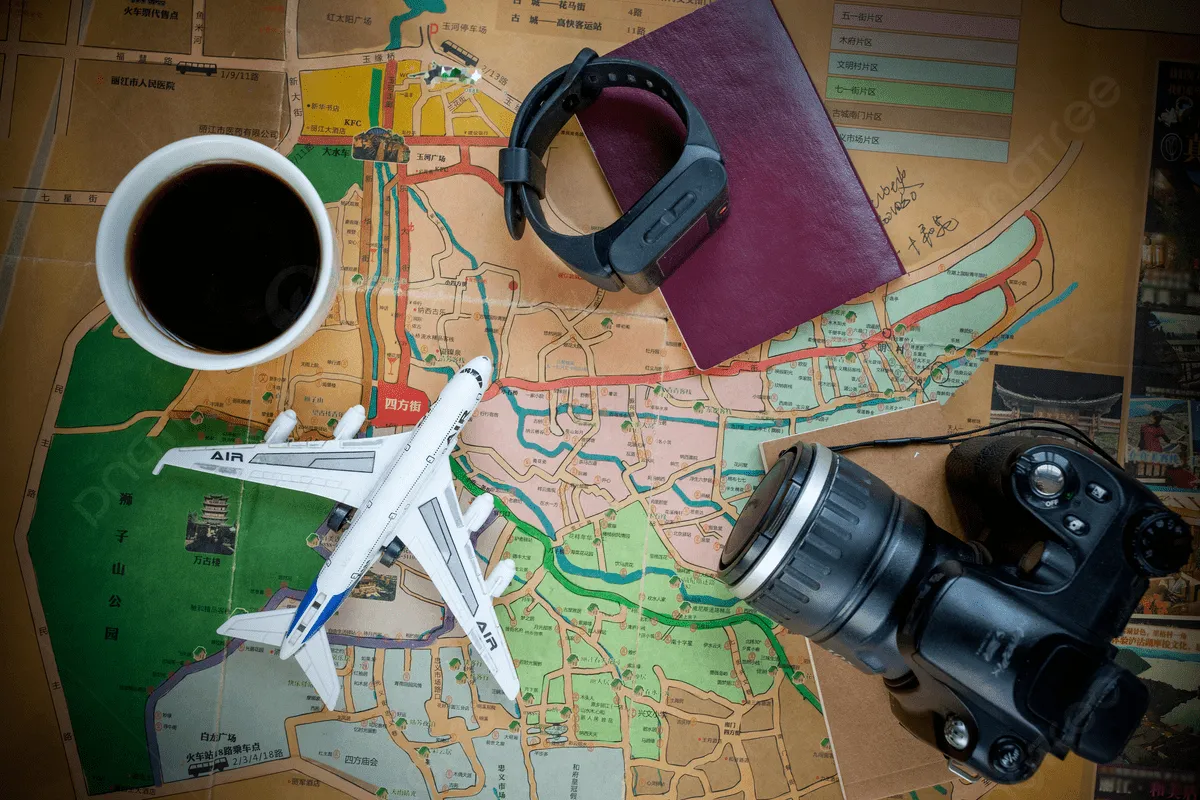
Urban cultural tourism is more than just visiting famous landmarks—it’s about diving into the living stories of cities. It’s the art of discovering how people express identity, creativity, and tradition through architecture, cuisine, festivals, and art. Whether you’re walking through the colorful alleys of Lisbon, exploring Seoul’s vibrant street markets, or admiring the contemporary art scene in New York City, each experience connects you to the pulse of urban life.
This form of travel is for those who crave authenticity—travelers who want to understand what makes a city breathe, move, and evolve. From museums and murals to street food and music, urban cultural tourism invites you to experience destinations through the eyes of locals.
Why Visit Cities for Cultural Tourism
Cities are the heartbeat of civilization. They preserve the past while showcasing the future. Choosing urban destinations for cultural tourism gives travelers access to a mix of history, art, and innovation all in one place.
1. Living Heritage
In every corner of a city, you’ll find traces of its cultural journey. Think of Istanbul’s ancient mosques beside modern cafés, or Barcelona’s Gothic architecture standing proudly next to sleek, futuristic designs. This blend of old and new tells the story of a city’s evolution.
2. Artistic Expression
Urban areas often serve as open-air galleries. From Paris’s street painters to Buenos Aires’ tango performances, art thrives in cities. Every mural, sculpture, and local performance reveals a piece of collective identity.
3. Culinary Diversity
Food is one of the most accessible ways to experience culture. A bite of Tokyo’s sushi, Mexico City’s tacos, or Rome’s pasta is a journey through centuries of flavor and tradition. Cities bring together local chefs and international influences, creating a culinary landscape that’s constantly evolving.
4. Festivals and Events
Cities are where the world comes together to celebrate. Events like Rio Carnival, London’s Notting Hill Festival, or Dubai Expo offer glimpses into how cultures blend, innovate, and celebrate diversity. Attending local events connects travelers with residents on a deeper, emotional level.
Top Urban Cultural Tourism Destinations
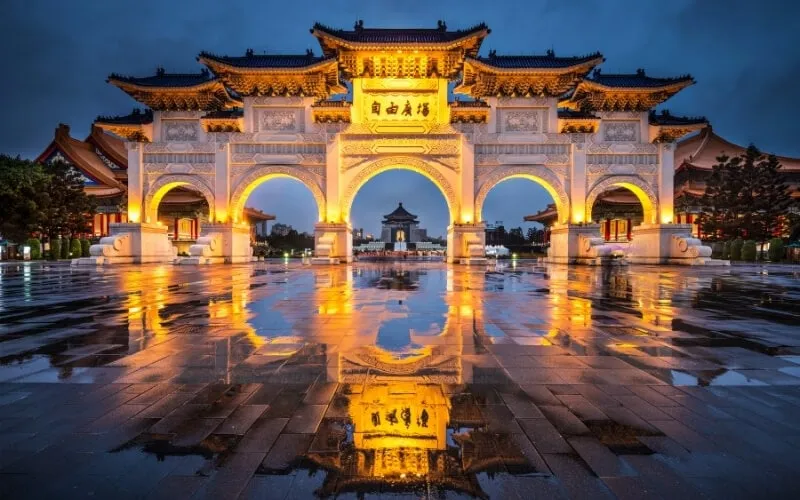
If you’re ready to explore culture-rich cities, here are some of the world’s most inspiring destinations where urban heritage meets modern creativity.
1. Paris, France – The Timeless Art Capital
Few places capture cultural spirit like Paris. The Louvre and Musée d’Orsay showcase centuries of artistry, while Montmartre’s cobblestone streets buzz with modern creativity. Beyond the museums, local cafés and boutique galleries express the rhythm of Parisian life.
2. Tokyo, Japan – Tradition Meets Innovation
Tokyo is a city where the past and future exist side by side. Visit the serene Meiji Shrine, then step into the neon wonderland of Shibuya. Explore traditional tea houses, anime art, and world-class museums—all within the same day. Tokyo’s cultural balance between ancient rituals and futuristic design defines urban cultural tourism at its best.
3. Istanbul, Turkey – The Crossroads of Civilizations
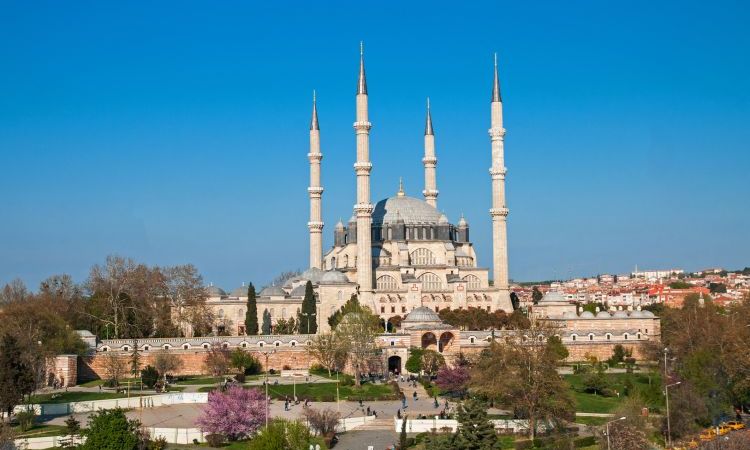
Where Europe meets Asia, Istanbul stands as a living museum. The Hagia Sophia and Topkapi Palace echo Byzantine and Ottoman glory, while bustling bazaars and contemporary galleries reflect modern Turkish identity. Every meal, from kebabs to baklava, tells a tale of cultural fusion.
4. New York City, USA – The Global Melting Pot
No city represents diversity quite like New York. From Broadway theaters to Harlem’s jazz clubs, from Chinatown to Little Italy, every neighborhood offers a slice of global culture. Museums like the Met and MoMA are world-class, but the real magic lies in NYC’s people—the artists, dreamers, and innovators shaping tomorrow’s culture.
5. Barcelona, Spain – Art in Every Corner
Barcelona’s vibrant streets are a masterpiece in themselves. Antoni Gaudí’s architectural wonders, like the Sagrada Família and Park Güell, turn the city into an open-air gallery. Add flamenco music, tapas, and Mediterranean charm, and you get an unforgettable cultural adventure.
Tips for Experiencing Urban Cultural Tourism
To make the most of your urban exploration, follow these simple but effective travel strategies:
1. Walk the Streets
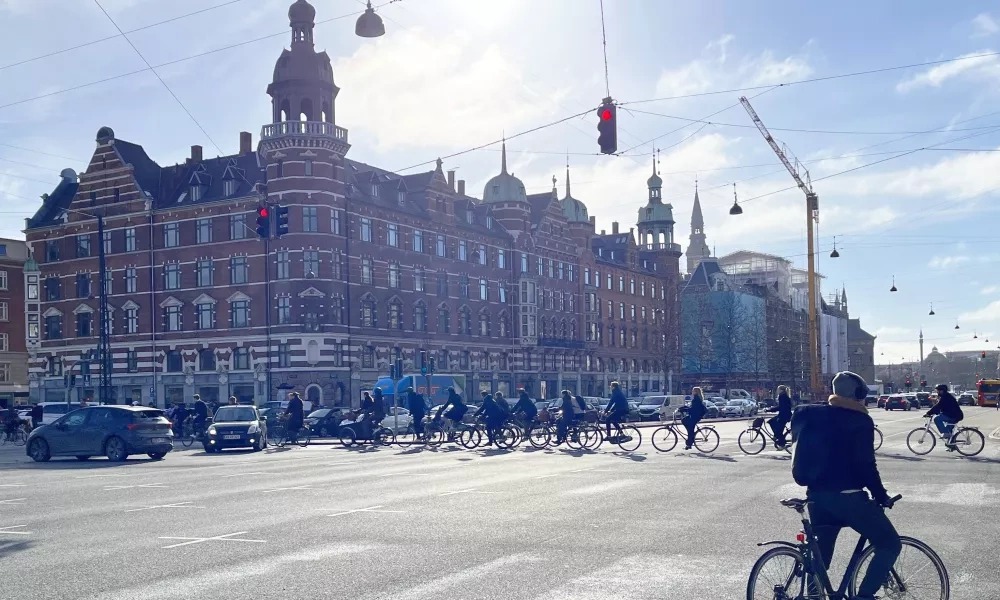
Cities reveal their secrets at street level. Wander through local markets, street art districts, and residential areas to experience daily life. Walking gives you a slower, more intimate view of how locals interact with their surroundings.
2. Visit Local Museums and Cultural Centers
Beyond the major landmarks, smaller museums and cultural spaces often hold the most authentic stories. These places highlight local artists, traditions, and social changes that shape the city’s identity.
3. Attend Community Events
Check local calendars for music festivals, art fairs, and public performances. These events provide a direct connection to contemporary culture and help you interact with residents in meaningful ways.
4. Taste Local Cuisine Beyond Tourist Spots
Skip the busy restaurants in tourist zones and try local diners, bakeries, or street stalls. Ask locals for recommendations—they’ll often lead you to hidden culinary gems that truly represent the city’s flavor.
5. Respect Local Customs
Cultural tourism thrives on mutual respect. Understanding social norms, dress codes, and traditions enhances your experience and helps preserve the authenticity of local communities.
The Role of Technology in Modern Cultural Tourism
Today’s travelers have access to digital tools that make cultural discovery easier than ever. Mobile guides, translation apps, and virtual museum tours allow visitors to explore history interactively. Social media also enables travelers to share discoveries and connect with like-minded explorers, creating a global community of cultural enthusiasts.
However, while technology enhances convenience, it’s important not to let screens replace real-life interactions. The heart of urban cultural tourism lies in human connection—sharing stories, smiles, and memories that transcend language barriers.
Sustainable and Responsible Urban Travel
Cities face challenges like overtourism and environmental stress, making responsible travel essential. Support local artisans, use public transport, and choose eco-friendly accommodations. Respecting cultural heritage sites ensures they remain preserved for future generations.
Urban cultural tourism can be a force for good—it promotes cultural appreciation, economic growth, and social understanding. When travelers engage responsibly, they contribute positively to the city’s identity and community wellbeing.
Final Thoughts
Urban cultural tourism is a journey through the living heartbeat of humanity. Each city is a mosaic of stories—of struggle, innovation, beauty, and hope. Whether it’s the art-filled lanes of Berlin, the soulful music of Havana, or the street markets of Bangkok, every destination offers something new to learn and love.
So, pack your curiosity and an open mind. Step beyond the typical tourist spots and dive into the local rhythm. Talk to artists, taste new dishes, listen to street musicians, and feel the energy of the city.
The world’s great cities are waiting to share their stories—all you have to do is explore.