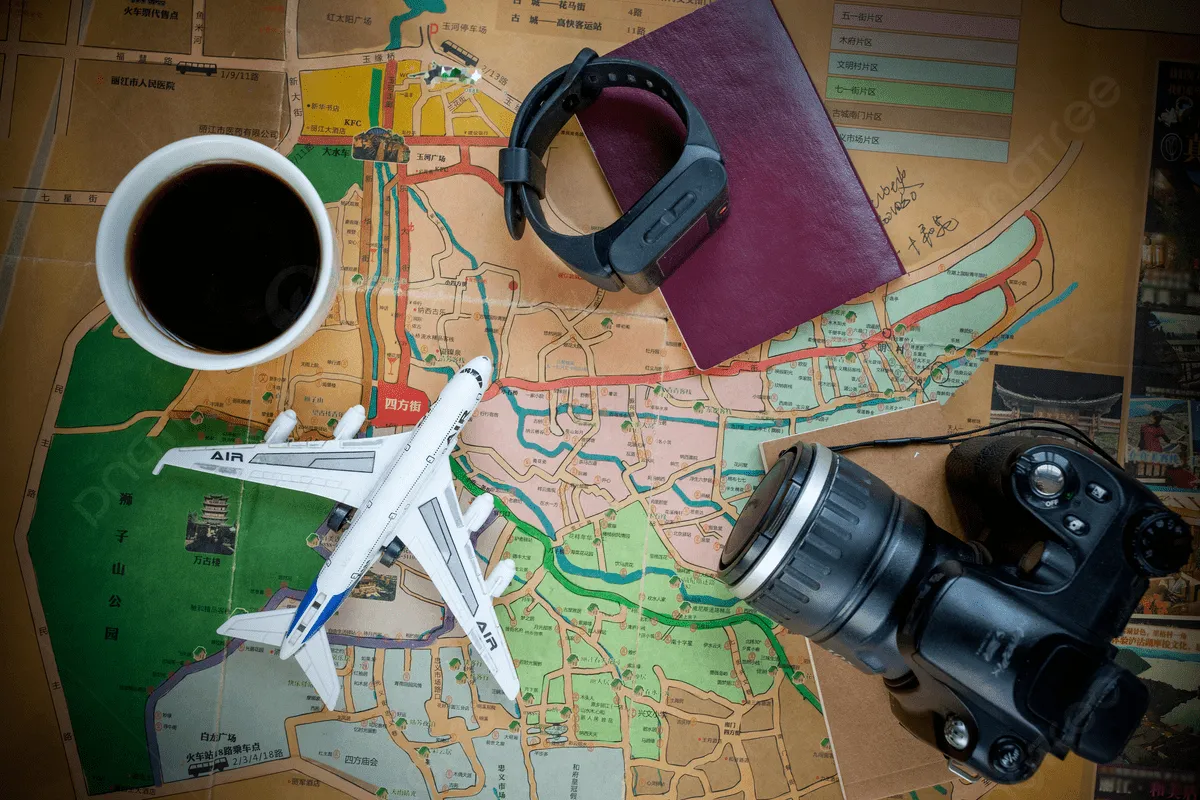
Traveling by air has become an essential part of modern life, connecting people across continents in just a few hours. Whether you’re flying for business, leisure, or visiting family, understanding how to make your journey smoother can transform the entire experience. This comprehensive guide explores everything from booking tips and packing strategies to in-flight comfort and post-arrival recovery — helping you enjoy every mile of your air travel journey.
Understanding the Modern Air Travel Experience
Air travel has evolved dramatically over the decades. Once considered a luxury for the elite, it’s now accessible to millions worldwide. Airlines compete fiercely to offer affordable tickets, better onboard experiences, and more convenient schedules.
However, with these conveniences come new challenges — from long security lines to luggage restrictions and flight delays. Knowing how to navigate these challenges can make all the difference between a stressful trip and a smooth one.
Planning Ahead: The Secret to a Smooth Flight
The success of any journey begins long before you reach the airport. Smart planning helps you avoid common pitfalls and gives you peace of mind.
Here’s what you should consider before your flight:
- Book early: Airfares fluctuate constantly. Booking 6–8 weeks in advance usually guarantees the best prices.
- Choose the right time: Midweek flights are often cheaper and less crowded than weekend ones.
- Check your documents: Ensure your passport, ID, and visa (if needed) are valid well before departure.
- Review airline policies: Baggage rules, seat selection, and check-in options vary between airlines.
These small steps can save you both time and money while ensuring your air travel experience starts off stress-free.
Smart Packing Tips for Effortless Air Travel
Packing efficiently is one of the most underrated travel skills. Airlines have strict baggage weight limits, and exceeding them can lead to costly fees or last-minute repacking drama.
Follow these practical tips to master your packing routine:
- Use a packing checklist to avoid forgetting essentials.
- Roll clothes instead of folding to save space and reduce wrinkles.
- Keep liquids under 100ml in a clear zip-lock bag for easy security screening.
- Use travel organizers or cubes for better compartmentalization.
- Pack a mini carry-on kit with essentials like medication, a toothbrush, headphones, and a phone charger.
Packing light not only makes airport navigation easier but also enhances your freedom during the trip.
Navigating Airports Like a Pro
Airports can be confusing, especially large international hubs. With multiple terminals, long lines, and tight schedules, it’s easy to feel overwhelmed.
To make the process smoother:
- Arrive early: Two hours before domestic and three before international flights is a safe rule.
- Use online check-in: It saves time and helps you choose better seats.
- Know your terminal and gate: Many travelers miss flights simply because they’re at the wrong terminal.
- Keep travel documents handy: Have your passport, boarding pass, and ID within easy reach.
A calm, organized approach helps you move through security, boarding, and customs with minimal stress.
Staying Comfortable During the Flight
Long-haul flights can take a toll on your body and mind. Fortunately, a few strategies can make your time in the air far more enjoyable.
In-flight comfort tips include:
- Dress comfortably: Layers help you adjust to changing cabin temperatures.
- Stay hydrated: Drink water regularly and avoid too much caffeine or alcohol.
- Move around: Stretch or walk down the aisle every hour to prevent stiffness.
- Bring entertainment: Load your device with music, movies, or e-books before boarding.
- Use a neck pillow and eye mask: These small items can make rest easier and improve sleep quality.
The key to a good air travel experience is balancing comfort, hydration, and relaxation.
Managing Jet Lag and Fatigue
Crossing multiple time zones can leave you feeling groggy and disoriented. Jet lag affects your sleep cycle and overall energy levels, but there are ways to minimize its effects.
Try these proven strategies:
- Adjust your sleep schedule a few days before your flight to align with your destination’s time zone.
- Avoid heavy meals and alcohol right before sleeping on the plane.
- Expose yourself to sunlight after arrival — it helps reset your internal clock.
- Stay hydrated to keep your body functioning optimally.
A little preparation can go a long way in helping you adapt quickly after your flight.
Budget-Friendly Air Travel Strategies
Flying doesn’t have to be expensive. With smart choices, you can enjoy affordable flights without sacrificing comfort.
Money-saving tips include:
- Use flight comparison tools like Skyscanner or Google Flights to find the best deals.
- Sign up for airline newsletters for early access to discounts and promotions.
- Travel off-season to avoid peak pricing and crowds.
- Join loyalty programs to earn miles or points for future discounts.
These strategies make it possible to enjoy frequent air travel even on a modest budget.
Safety and Hygiene in Today’s Flying Environment
Since the global pandemic, hygiene and safety have become central to the flying experience. Airlines have enhanced cleaning procedures, but travelers should still take precautions.
Simple safety practices include:
- Wiping down your seat area with sanitizing wipes.
- Washing or sanitizing hands frequently.
- Wearing a mask if you’re feeling unwell.
- Avoiding unnecessary contact with surfaces.
Being mindful of cleanliness not only protects you but also promotes a more comfortable environment for everyone.
Sustainable Air Travel: A Growing Priority
Environmental concerns are reshaping how people think about flying. While air travel is convenient, it does have a carbon footprint. Many airlines are investing in greener technology, but travelers can also make eco-conscious choices.
Ways to reduce your environmental impact:
- Fly direct whenever possible — takeoffs and landings consume the most fuel.
- Pack light to reduce overall aircraft weight.
- Offset your carbon emissions through airline or third-party programs.
- Support airlines committed to sustainability and fuel-efficient operations.
Every small step helps make the skies a bit greener for future generations.
Making the Most of Layovers
Layovers don’t have to be boring. With a bit of planning, they can turn into mini adventures or moments of rest.
Here’s how to use your time wisely:
- Explore the airport — many major hubs offer art exhibits, spas, and local cuisine.
- Stretch and walk to keep your circulation healthy.
- Use airport lounges for Wi-Fi, snacks, and a quiet environment.
- Take short naps to recharge before your next flight.
Turning downtime into relaxation time can make your entire air travel experience more pleasant.
Conclusion: Enjoy the Journey, Not Just the Destination
Air travel isn’t just about getting from point A to point B — it’s a gateway to new experiences, cultures, and memories. Whether you’re flying for business or pleasure, a little preparation and awareness can transform the journey into something enjoyable.
By planning ahead, packing smart, and staying comfortable in the air, you can ensure your next flight is as smooth as possible. The world is vast, and each destination has something incredible to offer — all you need is the courage to take that next flight1. What are the essential documents needed for air travel?
For most flights, you’ll need a valid passport or national ID, your ticket or e-boarding pass, and sometimes a visa depending on your destination. It’s also wise to carry travel insurance and a copy of your itinerary.
2. How early should I arrive at the airport before a flight?
For domestic flights, arriving at least 2 hours before departure is ideal. For international air travel, arrive 3 hours early to allow time for check-in, security, and possible delays.
3. What is the best way to pack for a long flight?
Use lightweight luggage, roll your clothes to save space, and keep essentials like chargers, medications, and toiletries in your carry-on. Avoid overpacking to make airport movement easier.
4. How can I make long air travel more comfortable?
Stay hydrated, stretch regularly, dress in layers, and bring entertainment like audiobooks or movies. A neck pillow and eye mask can also improve comfort during long flights.
5. How can I avoid jet lag after a long flight?
Adjust your sleep schedule a few days before traveling, drink plenty of water, and get sunlight upon arrival. Avoid heavy meals and caffeine right before sleeping.
6. What should I do if my flight gets delayed or canceled?
Check your airline’s mobile app or website for updates, contact the help desk immediately, and know your passenger rights — many airlines offer compensation or rebooking options.
7. Are budget airlines safe for international air travel?
Yes, budget airlines meet the same safety standards as major carriers. The difference usually lies in comfort, service, and amenities, not safety or maintenance.
8. How can I reduce my carbon footprint while flying?
Choose nonstop flights, pack light, and use carbon offset programs. Supporting eco-friendly airlines also helps promote sustainable air travel.
9. Is it better to book flights early or last minute?
Booking early — usually 6 to 8 weeks in advance — tends to secure the best fares. Last-minute deals exist but are rare and often come with limited options.
10. What’s the best way to handle layovers during air travel?
Use layover time to rest, stretch, or explore airport facilities. If the layover is long, some airports even offer short tours or lounges for travelers to relax.