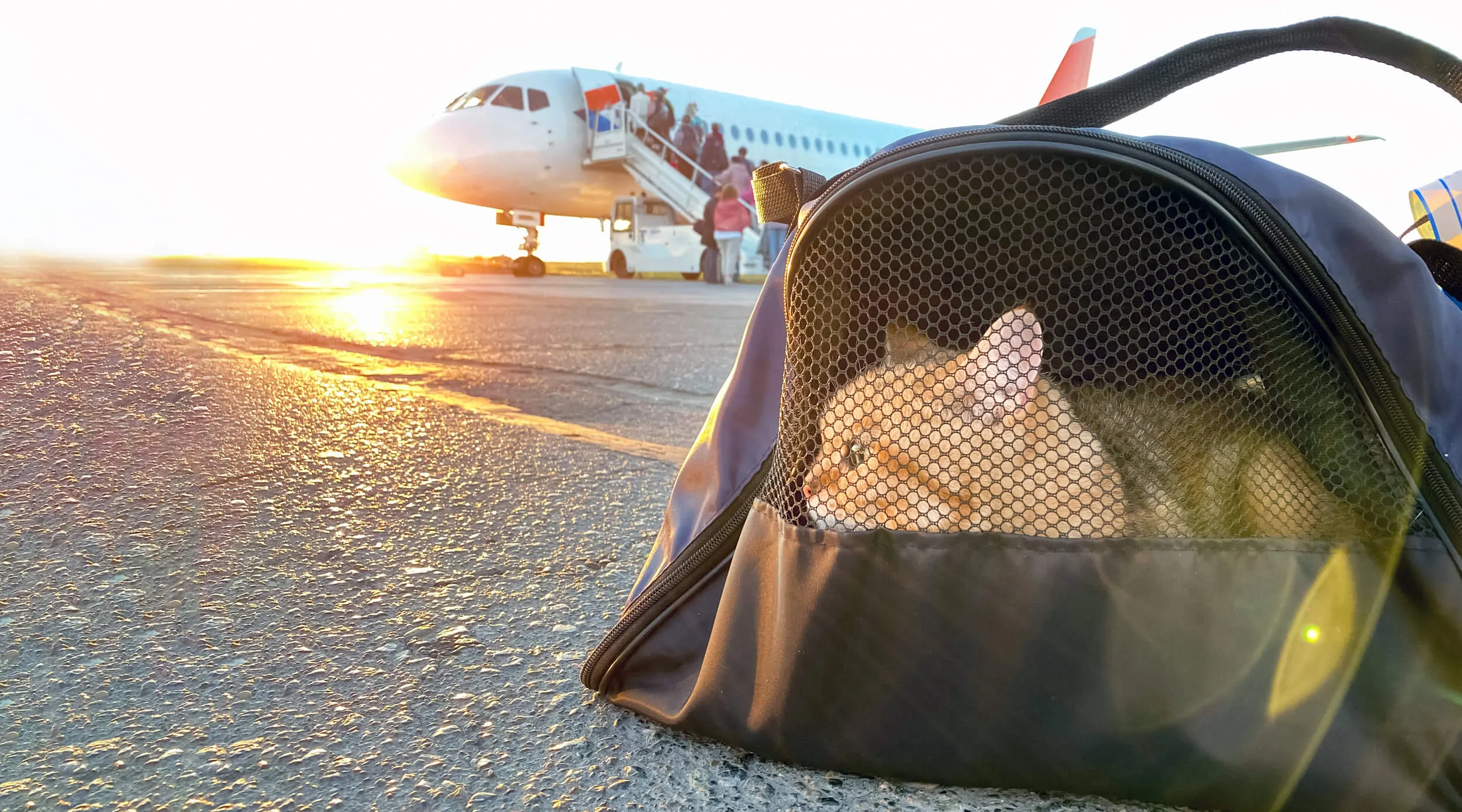
Traveling by air can be stressful, but when your feline friend is tagging along, it brings a whole new set of challenges. Air travel with cats requires careful planning, patience, and preparation to ensure your pet’s safety and comfort. Whether you’re moving across the country or heading out on vacation, this guide will walk you through everything you need to know for a smooth journey with your cat.
Understanding Airline Pet Policies
Before you book your flight, it’s important to understand that every airline has its own pet policy. Some airlines allow cats in the cabin, while others may require them to travel in the cargo hold.
Here are a few key things to check:
- Cabin vs. Cargo: Most airlines allow small cats in the cabin if they fit comfortably in an approved carrier under the seat. Larger cats may need to travel in cargo.
- Fees: Expect to pay a pet travel fee ranging from $75 to $150 each way.
- Documentation: Airlines usually require a health certificate from your vet issued within 10 days of travel.
- Breed restrictions: Some airlines restrict brachycephalic (short-nosed) breeds like Persians due to breathing risks.
Always review your airline’s pet travel page before booking, and if possible, call customer service to confirm details.
Preparing Your Cat for the Journey
Cats are creatures of habit, and sudden changes can cause stress. The best way to make air travel with cats easier is to prepare them well in advance.
1. Introduce the carrier early
Place the travel carrier in your home a few weeks before the trip. Leave the door open, and put treats or toys inside to help your cat feel safe. This builds familiarity and reduces anxiety on travel day.
2. Visit the vet
Schedule a vet appointment to ensure your cat is healthy for travel. Ask about:
- Sedation or calming supplements (only if recommended by your vet)
- Motion sickness prevention
- Updated vaccinations and microchip information
3. Practice car rides
Short car trips in the carrier can help your cat get used to movement and confinement. This simulates the travel environment and helps reduce stress during the flight.
Choosing the Right Travel Carrier
Your cat’s carrier is the most important item for air travel with cats. It must meet airline size regulations and provide comfort and ventilation.
Look for these features:
- Airline-approved dimensions (check your airline’s requirements)
- Soft-sided material for cabin travel
- Secure zippers or latches
- Absorbent lining or pee pad
- Adequate ventilation on all sides
A well-chosen carrier makes your cat feel secure while meeting airline safety standards.
Packing Essentials for Cat Air Travel
Packing for your cat is almost like packing for a baby — you’ll need several essentials to keep them comfortable and calm.
Here’s a checklist of what to bring:
- Health certificate and vaccination records
- Leash and harness for security checks
- Small bag of cat food and collapsible bowl
- Comfort items like a favorite blanket or toy
- Travel-sized litter box and a few plastic bags for disposal
- Pet wipes for quick clean-ups
Keeping everything organized and within reach makes your travel day smoother.
The Airport Experience with a Cat
Navigating the airport is often the most stressful part of air travel with cats. With a few smart steps, you can minimize chaos and keep your cat calm.
Before security:
- Keep your cat in the carrier at all times.
- When you reach TSA screening, you’ll need to take your cat out of the carrier. It’s safest to use a leash or harness to prevent escapes.
At the gate:
- Try to find a quiet corner away from crowds.
- Offer water if your cat seems thirsty.
During boarding:
- Place the carrier under the seat in front of you.
- Avoid opening the carrier mid-flight — cats can slip out quickly.
If your cat gets restless, speak softly and avoid unnecessary movement. Most cats eventually settle once the plane is cruising.
In-Cabin vs. Cargo: Which Is Safer?
Whenever possible, opt for in-cabin travel. It’s less stressful for both you and your pet. However, if your cat must travel in cargo, take extra precautions:
- Choose direct flights to avoid layovers.
- Fly during mild weather (avoid extreme heat or cold).
- Label the carrier clearly with your name, address, and contact number.
Always inform flight attendants that your cat is traveling in cargo so they can double-check that the area is pressurized and climate-controlled.
Helping Your Cat Stay Calm During the Flight
Even the most relaxed cats can become anxious during air travel. The goal is to make them feel as secure as possible.
Try these calming techniques:
- Familiar scents: Place a piece of your clothing inside the carrier.
- Natural sprays: Feliway or other pheromone sprays can help reduce anxiety.
- Stay calm yourself: Cats sense your mood — a relaxed owner helps them relax too.
- Avoid feeding right before the flight: This reduces the risk of nausea.
Never sedate your cat without a vet’s recommendation, as it can affect breathing during flight.
What to Do After Landing
Once you’ve landed, don’t rush to open the carrier. Find a quiet space, speak gently to your cat, and let them adjust to the new environment.
When you reach your destination:
- Offer water and a small meal.
- Set up a litter box right away.
- Give your cat time to explore slowly.
It may take a few hours or even a day for your cat to return to normal behavior, so patience is key.
International Air Travel with Cats
Traveling internationally with cats adds extra steps. You’ll need to research import regulations for your destination country.
Typical requirements include:
- Rabies vaccination certificate
- Microchip identification
- Import permit (in some countries)
- Quarantine rules (for destinations like Australia or New Zealand)
Start preparing at least 30–60 days in advance, as paperwork can take time to process.
Expert Tips for Smooth Air Travel with Cats
- Book early: Airlines limit the number of pets allowed per flight.
- Travel during off-peak hours: Fewer passengers mean a quieter environment.
- Mark the carrier as “Live Animal.” This alerts staff to handle it carefully.
- Keep an emergency contact card in your carry-on bag with your vet’s number.
- Choose window seats: They’re usually less noisy and have fewer disturbances.
Common Mistakes to Avoid
Even experienced travelers make errors when it comes to air travel with cats. Avoid these pitfalls:
- Waiting until the last minute to prepare documents
- Using a carrier that’s too small or unapproved
- Feeding too close to departure time
- Forgetting to check pet policies for connecting flights
Proper planning ensures your cat’s comfort and your peace of mind.
Final Thoughts
Air travel with cats may seem overwhelming at first, but with preparation, it can be a safe and even pleasant experience. The key is to start early, stay organized, and prioritize your cat’s well-being at every step.
By researching airline policies, choosing the right carrier, and keeping your cat calm throughout the journey, you’ll both arrive happy and stress-free.
So, next time you’re planning a trip, don’t leave your furry friend behind — bring them along for the adventure. With a little care, your cat can be the perfect travel companion.
1. Can I bring my cat in the airplane cabin?
Yes, most airlines allow small cats in the cabin as long as they fit in an approved carrier under the seat. Always check your airline’s pet policy before booking.
2. How can I keep my cat calm during air travel?
Keep your cat calm by familiarizing them with the carrier, using pheromone sprays, and speaking gently. Avoid feeding right before the flight to prevent nausea.
3. Do cats need health certificates to fly?
Yes, most airlines require a health certificate issued by a licensed veterinarian within 10 days of travel. It ensures your cat is healthy and fit for air travel.
4. Is it safe for cats to fly in cargo?
While cargo travel can be safe, it’s best to fly your cat in the cabin if possible. Always choose direct flights and confirm the cargo area is climate-controlled.
5. What should I pack for my cat when flying?
Pack essentials like food, a collapsible bowl, litter box, pee pads, wipes, vaccination records, and a favorite toy or blanket to keep your cat comfortable.