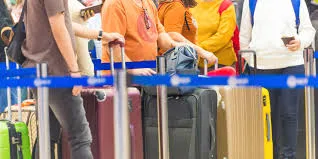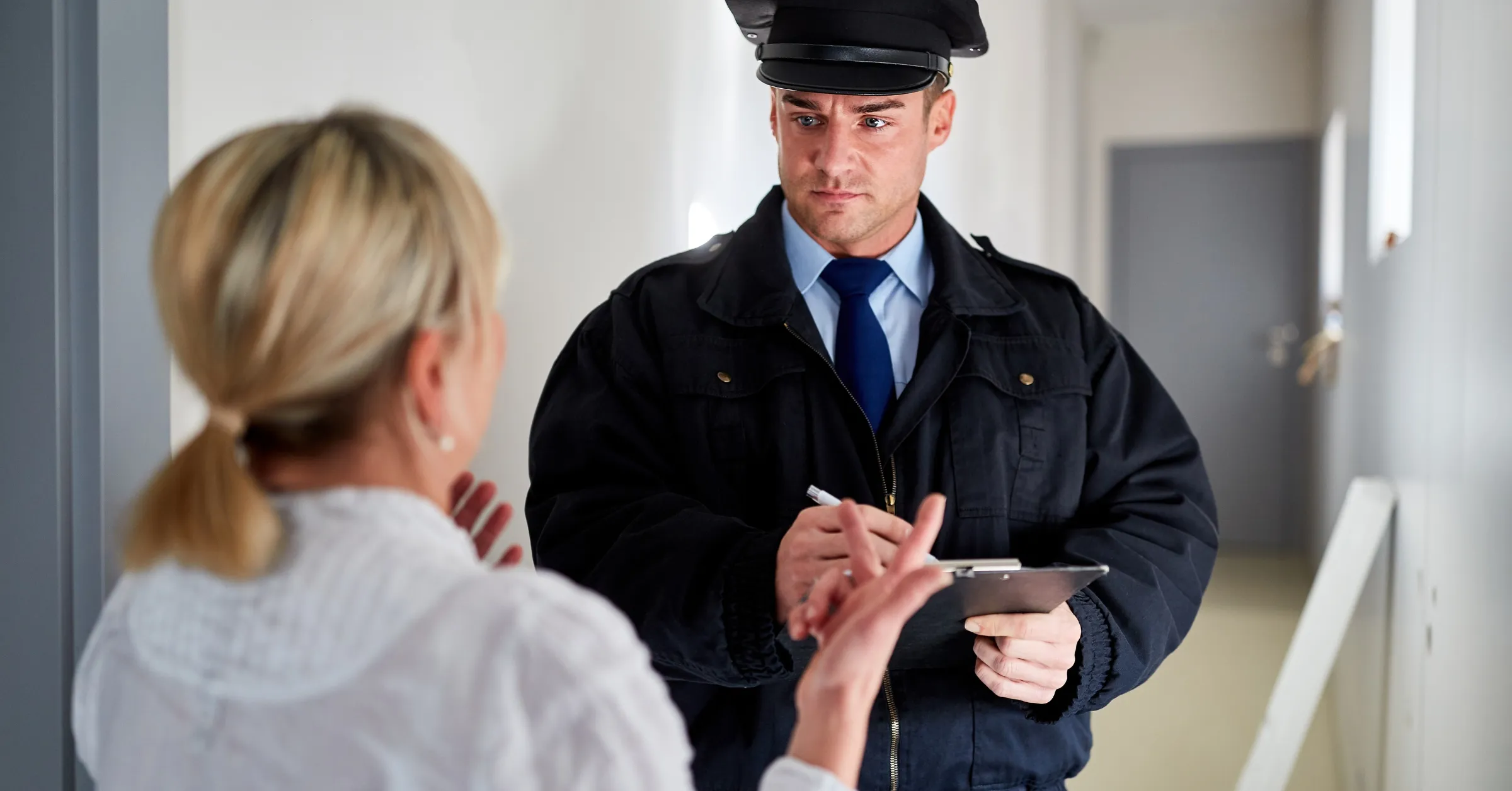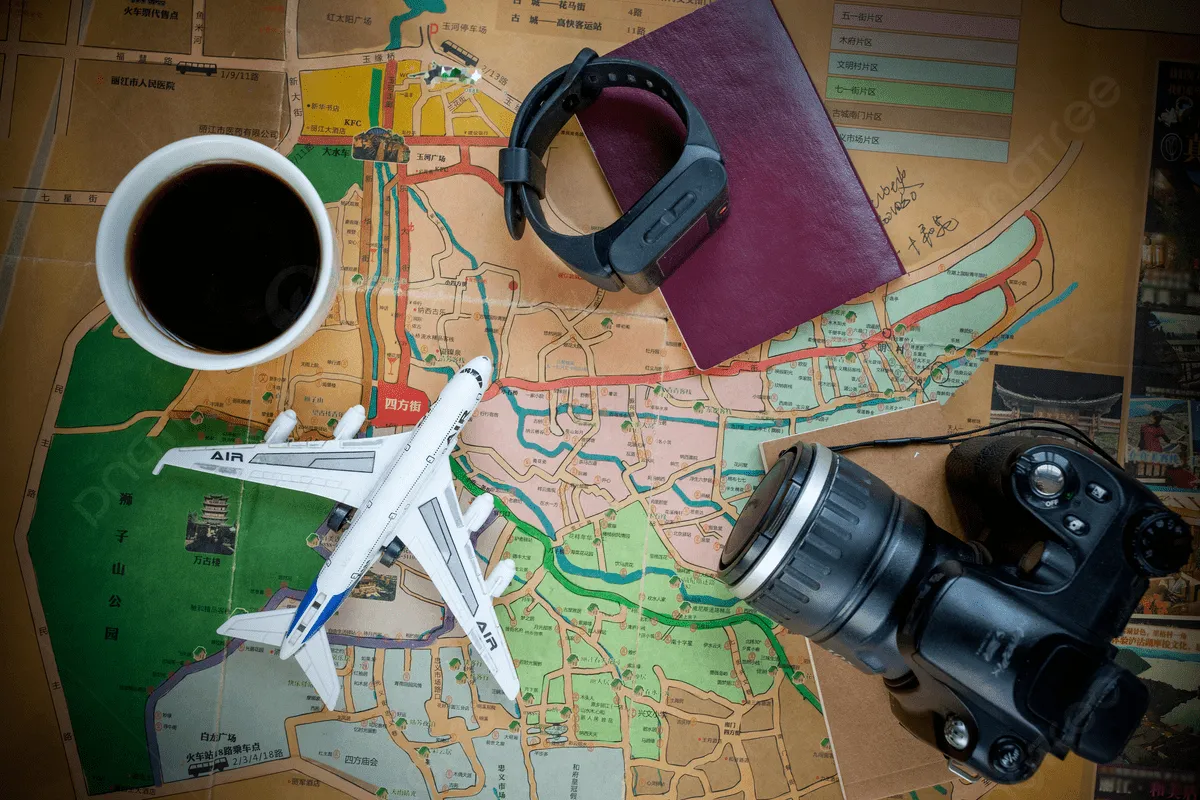
Travel is one of the most enriching experiences in life. Exploring new places, meeting people from different cultures, and tasting unfamiliar cuisines all create memories that last forever. But as exciting as it is, traveling also comes with challenges and risks. Delayed flights, health issues, lost luggage, or unsafe neighborhoods can easily turn an exciting journey into a stressful experience. That’s why the most important thing every traveler should focus on is having a safe trip.
A safe trip doesn’t just mean avoiding danger; it also means traveling smart, staying healthy, and making sure that each moment of your journey is worry-free. Below, you’ll find a step-by-step guide filled with practical tips and strategies to help you travel with confidence and peace of mind.
Step 1: Research Your Destination Thoroughly
The foundation of a safe trip is research. Long before you board your plane, bus, or train, you should know the basics of your destination.
- Check travel advisories: Government websites often publish updates about political stability, weather conditions, or safety concerns.
- Understand local culture: Learning a few local phrases or cultural dos and don’ts helps you avoid misunderstandings.
- Map out safe areas: Identify safe neighborhoods, public transport systems, and emergency contact numbers.
For example, if you’re visiting a new city, reading traveler reviews can save you from booking accommodation in unsafe areas. Knowledge is power, and it’s your first tool for a safe trip.
Step 2: Organize Important Documents
Documents are the backbone of your journey. Losing them can create unnecessary panic. To stay organized:
- Keep your passport, visa, and travel insurance in a waterproof travel wallet.
- Store digital copies of your documents in cloud storage or email them to yourself.
- Carry a printed list of emergency contacts, including local embassies or consulates.
Having both physical and digital backups ensures that even in unexpected situations, you can recover quickly and continue your safe trip without major disruptions.
Step 3: Pack Smart and Travel Light
Packing is more than just fitting clothes in a suitcase; it’s about preparation and safety. A safe trip begins with a bag that’s easy to handle and secure.
- Choose versatile clothing: Pack items you can mix and match. This saves space and keeps luggage light.
- First-aid and essentials: Carry pain relievers, hand sanitizer, face masks, and prescribed medications.
- Security items: TSA-approved locks, anti-theft backpacks, and luggage tags help prevent theft or loss.
Remember, heavy bags not only make travel stressful but also draw attention. Packing light means you move more freely and comfortably.
Step 4: Prioritize Health and Hygiene
Health is often overlooked in the excitement of traveling, but it’s one of the most important factors for a safe trip. Falling sick away from home can ruin your plans.
- Stay hydrated with clean drinking water.
- Eat from hygienic, well-reviewed restaurants or street food vendors.
- Carry a reusable water bottle and wet wipes.
- If traveling abroad, check vaccination requirements in advance.
A healthy body ensures you enjoy your adventure without interruptions. After all, no one wants to spend their vacation stuck in a hotel room.
Step 5: Stay Connected with Family and Friends
In today’s digital age, staying connected is easier than ever—and it’s essential for safety.
- Share your itinerary with a trusted friend or family member.
- Keep your phone fully charged and carry a power bank.
- Use apps like Google Maps, offline translators, and ride-sharing services for safe navigation.
If you’re exploring remote areas, update your loved ones regularly so they always know where you are. Staying connected gives both you and your family peace of mind throughout your safe trip.
Step 6: Practice Street Safety Everywhere
Even the most beautiful destinations can have hidden risks. Simple habits can protect you when you’re exploring new places.
- Avoid carrying large amounts of cash. Use credit or debit cards whenever possible.
- Keep wallets in your front pocket and purses zipped shut.
- Don’t display expensive gadgets or jewelry in crowded places.
- Be cautious at night; stick to well-lit and busy areas.
A calm but alert attitude helps you blend in, making you less of a target for petty crime. Street-smart behavior is one of the keys to a safe trip.
Step 7: Invest in Travel Insurance
Many travelers skip insurance to save money, but it’s like a safety net you’ll be thankful for when things go wrong.
Travel insurance can cover:
- Medical emergencies
- Lost or delayed baggage
- Flight cancellations
- Emergency evacuations
Think of it as a shield that protects your travel investment. A small upfront cost ensures your safe trip even in unpredictable circumstances.
Step 8: Respect Local Laws and Cultures

Every place has its own rules and traditions, and respecting them not only makes your journey safe but also meaningful.
- Dress appropriately in religious or conservative areas.
- Avoid taking photos in restricted zones.
- Follow traffic laws, especially if renting a car or bike.
- Learn basic etiquette, like greetings or tipping customs.
Respect builds trust with locals and keeps you away from legal troubles. Blending in also makes your safe trip smoother and more enjoyable.
Step 9: Stay Mentally Aware
Sometimes, excitement can make travelers careless. Staying aware of your surroundings is a powerful safety habit.
- Trust your instincts—if something feels wrong, walk away.
- Be mindful of scams like overpriced tours or fake taxis.
- Don’t overshare personal details with strangers.
Awareness helps you avoid unnecessary risks while still enjoying the adventure to its fullest.
Step 10: Prepare for the Unexpected
No matter how well you plan, surprises happen. Flights may delay, weather can change suddenly, or plans may fall apart. Preparing mentally and practically ensures your safe trip continues without panic.
- Keep an emergency fund in cash and card form.
- Download offline maps in case of no internet.
- Always have a backup plan for transport and accommodation.
Flexibility is a traveler’s best friend. By expecting the unexpected, you maintain control over your journey.
Final Summary: Your Roadmap to a Safe Trip
A safe trip is the perfect balance of planning, awareness, and adaptability. From researching your destination to respecting local laws, every small step adds up to a stress-free experience. The 10 key steps are:
- Research your destination.
- Organize travel documents.
- Pack smart and light.
- Prioritize health and hygiene.
- Stay connected.
- Practice street safety.
- Get travel insurance.
- Respect local laws and culture.
- Stay mentally aware.
- Prepare for the unexpected.
Traveling should be about joy, discovery, and new experiences. When you take safety seriously, you free yourself to focus on what truly matters—making memories that will last a lifetime. So plan wisely, stay alert, and embrace the world with confidence. With these steps, your safe trip is not just a possibility—it’s a guarantee