Introduction
Traveling with a baby for the first time can be both exciting and intimidating. Parents often worry about how their little one will handle the new environment, cabin pressure, and long hours in the air. Fortunately, with a few well-planned steps, you can make flying with your baby easier and more comfortable. This guide shares essential infant air travel tips to help parents prepare for a stress-free flight experience.
Before diving into the details, it’s important to understand what infant air travel tips actually cover. These are practical strategies designed to make flights safer, smoother, and more enjoyable for babies and their caregivers. They include everything from booking the right seats to managing feeding schedules and handling security checks with ease. Knowing these small yet significant tips can transform a potentially challenging trip into a pleasant memory.
The Science Behind Infant Air Travel Tips
Many parents wonder why flying affects babies differently than adults. The science behind infant air travel tips lies in understanding how babies respond to pressure changes, dehydration, and overstimulation.
Airplane cabins are pressurized, but during takeoff and landing, air pressure fluctuates. This can cause discomfort in a baby’s sensitive ears. Feeding or offering a pacifier during these times can help equalize pressure. Another factor is dry cabin air, which can make infants thirstier than usual, so frequent breastfeeding or bottle-feeding keeps them hydrated. Finally, the unfamiliar sounds and bright lights can overwhelm little ones, so it’s best to create a calm and cozy environment on board.
step-by-Step Infant Air Travel Tips for Parents
To make your journey smooth and enjoyable, follow these infant air travel tips step by step.
1. Book Wisely
When booking flights, try to choose direct routes to avoid long layovers. Morning flights are usually less crowded and calmer. If possible, reserve a bulkhead seat, which offers more legroom and allows for a bassinet on some airlines.
2. Prepare Travel Documents
Infants require identification, even for domestic flights. Make sure to carry a birth certificate or passport, depending on your destination.
3. Pack Smart
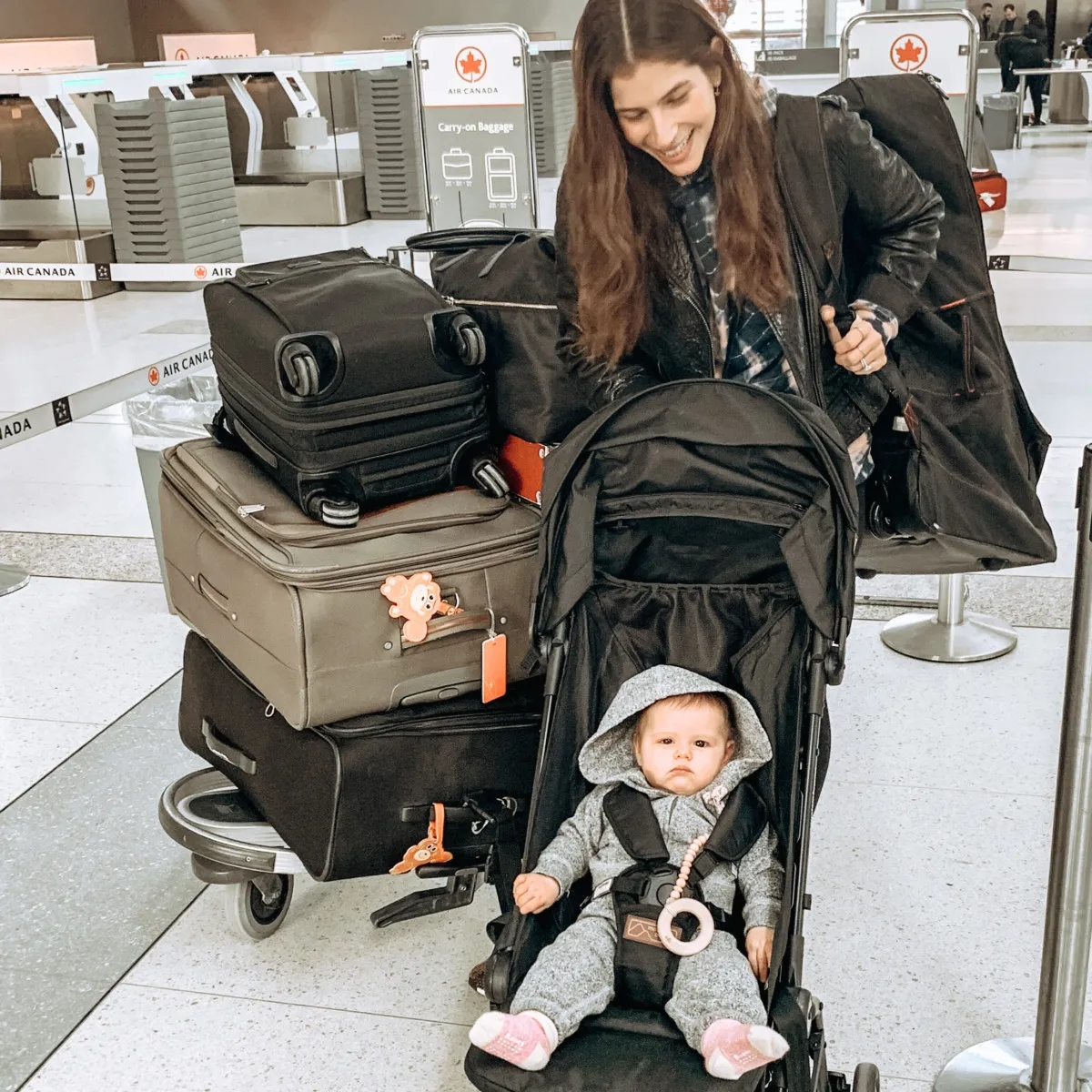
One of the most important infant air travel tips is to pack efficiently. Include essentials such as diapers, wipes, formula or breast milk, a change of clothes, baby snacks, a lightweight blanket, and small toys. Keep all baby items in an easily accessible carry-on bag.
4. Arrive Early at the Airport
Families traveling with infants should arrive early to allow time for security checks and boarding. Airports often offer family or priority lanes, which can save you stress and time.
5. Manage Feeding and Sleep Schedules
Feed your baby during takeoff and landing to help with ear pressure changes. Try to maintain their usual nap schedule as closely as possible. A familiar routine helps keep the baby calm throughout the journey.
6. Dress Comfortably
Both you and your baby should wear soft, breathable clothes. Cabin temperatures can vary, so layering is a good idea.
7. Handle Security Checks Smoothly
Another practical infant air travel tip is to know what to expect at airport security. You can carry formula, breast milk, and baby food in reasonable amounts, even over 100ml, but you’ll need to declare them.
8. Stay Calm During the Flight
Babies can sense their parents’ stress. If your infant becomes fussy, take a walk down the aisle, gently rock them, or sing softly. Most passengers and crew are understanding toward parents with babies.
Factors Influencing Infant Air Travel
Several factors can affect how smooth your flight with a baby will be. Understanding them can help you apply the right infant air travel tips.
Age of the Baby: Newborns under two months may find air travel stressful due to weaker immune systems. Pediatricians often recommend waiting until after the baby’s first vaccinations before flying.
Duration of the Flight: Longer flights require more preparation, especially for sleep and feeding.
Destination Climate: If you’re traveling from a cold to a warm area (or vice versa), pack accordingly to avoid temperature shock.
Parent Preparedness: A relaxed, well-prepared parent can make the journey enjoyable for both. Planning ahead always pays off.
Real-Life Applications of Infant Air Travel Tips
These infant air travel tips aren’t just theory—they’ve helped countless parents travel with confidence. For instance, parents who travel internationally often use bassinets for babies under one year old. Families with toddlers use window seats to entertain children with sky views. Some parents even bring familiar bedtime items like a blanket or stuffed toy to help the baby sleep on board. These small but thoughtful practices make a big difference.
Common Myths About Infant Air Travel Tips
There are several misconceptions about flying with babies. Let’s clear them up:
Myth 1: Babies can’t handle flying.
Reality: With proper care, most babies fly comfortably.
Myth 2: You can’t bring baby food or milk through security.
Reality: You can carry them in reasonable amounts after security inspection.
Myth 3: Air pressure causes harm.
Reality: It only causes temporary discomfort, which feeding can relieve.
Myth 4: It’s best to keep babies awake for the flight.
Reality: A rested baby travels better than a tired one.
Summary and Conclusion
Traveling with a baby doesn’t have to be stressful. By following simple infant air travel tips, parents can ensure comfort, safety, and peace of mind throughout the journey. Plan ahead, stay calm, and keep your baby’s needs first. Whether it’s a short domestic flight or a long international one, preparation and patience are the keys to success. With the right mindset and these helpful strategies, air travel with your infant can become a pleasant and even enjoyable adventure.
FAQs about Infant Air Travel Tips
1. What age is best for a baby’s first flight?
Most pediatricians recommend waiting until the baby is at least two to three months old before flying.
2. How can I soothe my baby during takeoff and landing?
Feeding or offering a pacifier helps equalize ear pressure—one of the top infant air travel tips.
3. Are bassinets available on all flights?
No, bassinets are usually available on long-haul international flights and must be requested in advance.
4. Can I bring breast milk or formula on the plane?
Yes, you can bring milk and baby food in reasonable amounts through airport security.
5. How do I handle a crying baby during the flight?
Stay calm, walk around, or gently rock your baby. Distraction with toys or songs can also help.
6. Should I buy a separate seat for my baby?
Babies under two can travel on a parent’s lap, but a separate seat with a car seat provides extra safety.
7. Do babies need passports for international flights?
Yes, all infants require a valid passport for international travel.
8. How can I make night flights easier for my baby?
Follow bedtime routines, dim the lights, and keep your baby comfortable with familiar sleep items.