A safari is one of the most fascinating travel experiences on Earth — a journey that takes you far from modern civilization and immerses you in the untouched beauty of nature. Imagine the golden plains stretching endlessly before you, the sound of lions roaring in the distance, and herds of elephants moving gracefully under the open sky. That is the magic of a safari — an adventure that awakens your senses and connects you deeply with the natural world.
Originally, the term “safari” meant a long journey, often for hunting or exploration across the African continent. But today, it represents something far more meaningful — a peaceful encounter with wildlife, where travelers witness animals living freely in their habitats while supporting conservation and local communities. click here for mor information about desert safari in dubai
What Is a Safari?
The word safari comes from the Swahili language, meaning “journey” or “travel.” In the early 19th century, European explorers and hunters used this term for long expeditions into the African wilderness. Over time, the purpose of safaris evolved — from hunting to photography, observation, and ecological education.
A modern safari is designed to let travelers experience nature responsibly. Instead of disturbing wildlife, visitors now learn about animal behavior, migration, and the importance of protecting fragile ecosystems. Whether it’s spotting lions in Kenya, tigers in India, or elephants in Botswana, a safari provides a once-in-a-lifetime opportunity to witness the raw beauty of life in the wild.
Types of Safari Adventures
Safaris today come in many forms, each offering a unique perspective of nature. Whether you seek luxury, adventure, or peace, there’s a safari suited to every traveler.
1. Classic Game Drive Safari
The traditional safari experience involves driving through national parks or private reserves in open 4×4 vehicles. Guided by experienced rangers, travelers watch animals in their natural surroundings. Game drives typically occur early in the morning and late afternoon — the best times for animal activity.
During these drives, you might spot lions stalking prey, elephants gathering at watering holes, or giraffes feeding on acacia trees. The thrill of seeing wildlife up close is unmatched.
2. Walking Safari
A walking safari is for those who want a deeper, more personal connection with nature. Accompanied by professional guides and armed rangers, participants walk through the bush, learning about animal tracks, plants, and the ecosystem. It’s a raw and authentic way to experience the wilderness, ideal for adventure lovers who want to feel nature’s heartbeat under their feet.
3. Boat or River Safari
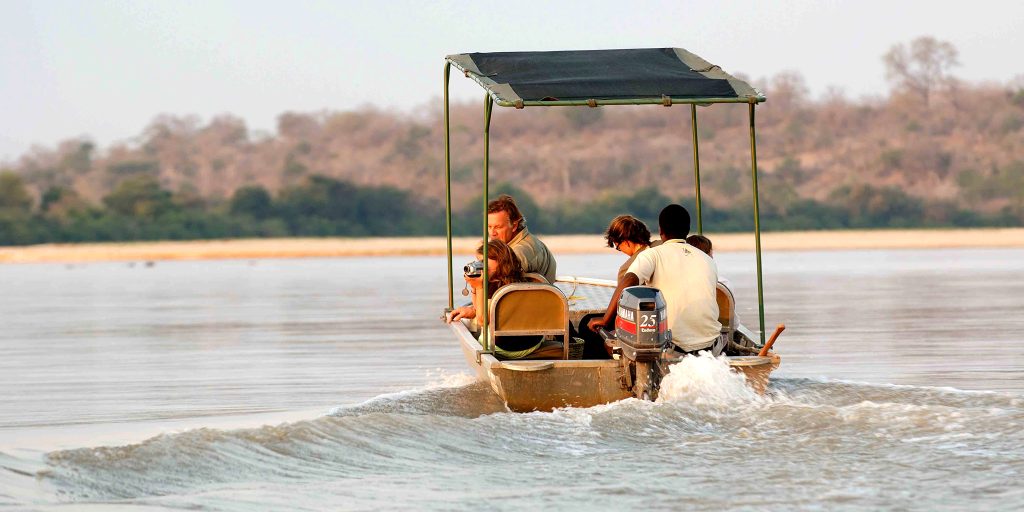
River safaris offer a refreshing perspective of wildlife. In places like Botswana’s Okavango Delta or India’s Kaziranga National Park, travelers glide silently through rivers and lagoons, spotting hippos, crocodiles, and colorful birds. The calm water reflects the sky, creating a peaceful yet thrilling environment.
4. Balloon Safari

For a breathtaking view, hot-air balloon safaris are a dream come true. Floating above the plains at sunrise, you can see herds of wildebeest, elephants, and zebras moving below you. It’s one of the most photogenic and magical experiences any traveler can have.
5. Desert Safari

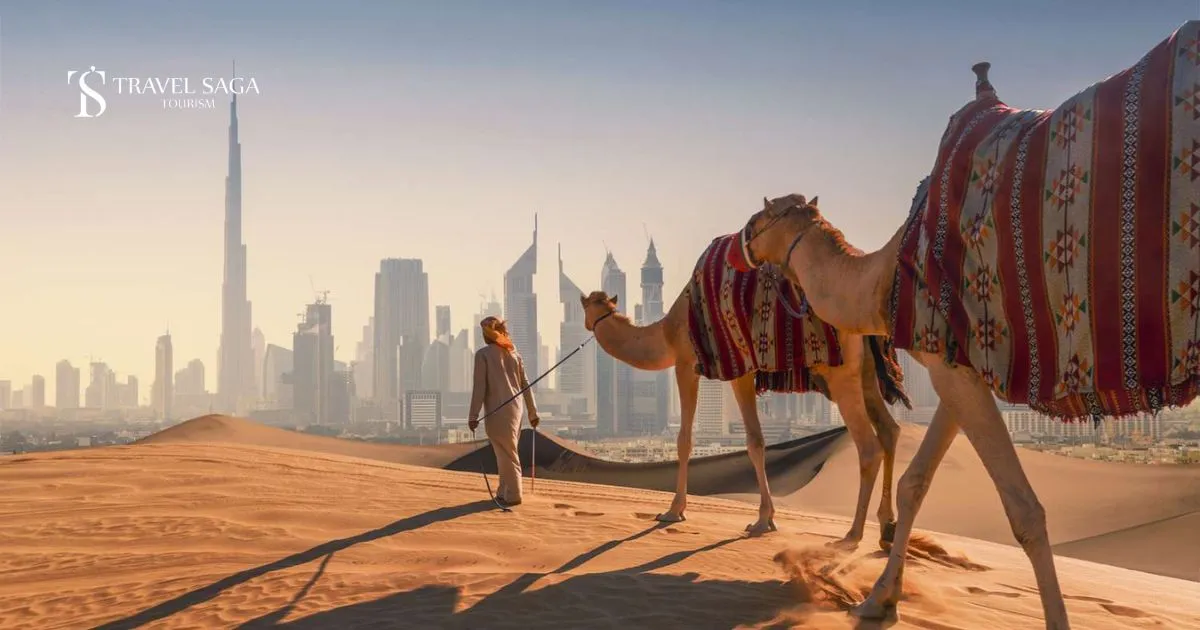
Unlike traditional wildlife safaris, desert safaris focus on landscapes and culture. In Dubai or Morocco, travelers can explore golden dunes, ride camels, and experience Bedouin traditions under starry skies. These safaris combine adventure, culture, and natural beauty in one unforgettable package.
6. Photographic Safari
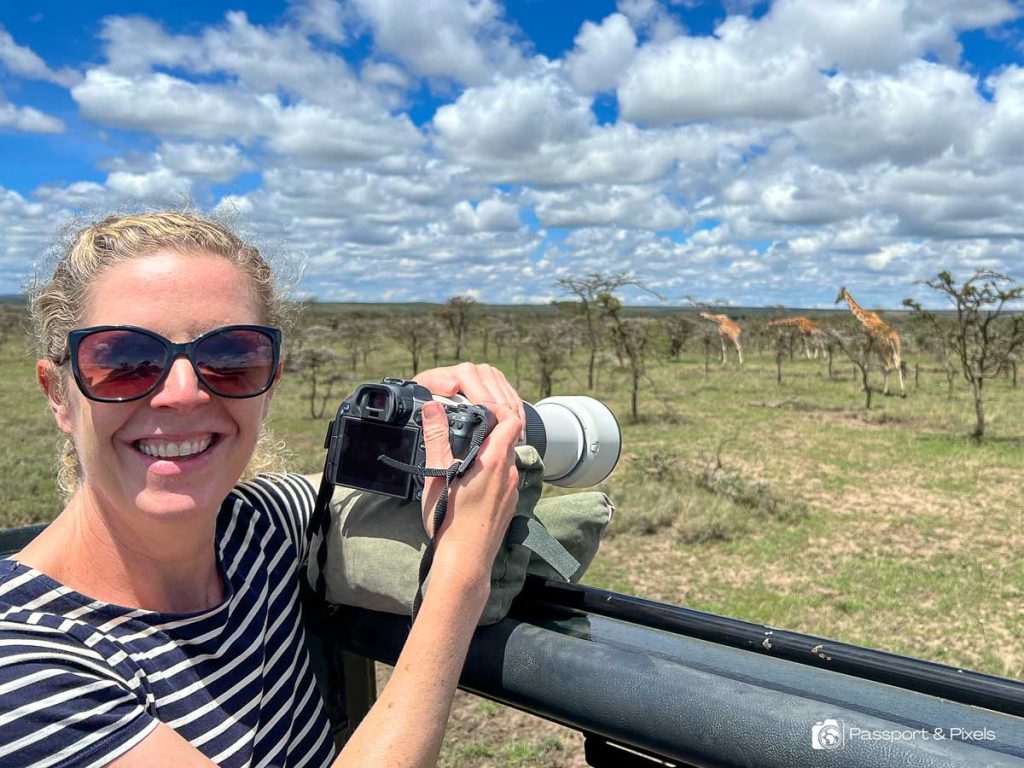
Perfect for photography enthusiasts, photographic safaris are tailored for capturing stunning wildlife images. Guides position vehicles for ideal lighting and teach techniques for shooting animals in action. This safari is both artistic and educational, allowing photographers to bring home breathtaking memories click here.
Top Safari Destinations Around the World
The world is full of incredible safari destinations. While Africa is the birthplace of safaris, other regions also offer equally thrilling wildlife encounters.
1. Kenya – The Heart of the African Safari
Kenya’s Masai Mara National Reserve is one of the most famous safari destinations on Earth. It’s home to the Great Migration — an awe-inspiring event where over a million wildebeests and zebras cross the Mara River in search of greener pastures. Visitors can also experience Maasai culture, luxury lodges, and unforgettable sunsets over the savanna.
2. Tanzania – The Land of the Serengeti
Tanzania’s Serengeti National Park and Ngorongoro Crater are known for their vast landscapes and dense wildlife populations. Here, travelers can witness the full circle of life — predators hunting, herbivores grazing, and birds soaring above the plains. Tanzania also offers luxury camps that blend comfort with wilderness.
3. South Africa – Adventure Meets Luxury
South Africa’s Kruger National Park is a paradise for safari enthusiasts. It’s one of the largest reserves in Africa and offers the chance to see the Big Five — lion, leopard, elephant, buffalo, and rhino — all in one place. The country’s excellent infrastructure and luxury lodges make it an ideal choice for first-time safari travelers.
4. Botswana – A Haven for Nature Lovers
Botswana is known for its eco-friendly approach to tourism. The Okavango Delta, a UNESCO World Heritage Site, provides one of the most unique safari experiences in the world. Travelers explore by canoe or mokoro, gliding past elephants and birds through crystal-clear waters.
5. India – The Land of the Tiger
For a change of scenery, India offers thrilling safaris in its dense jungles. Parks like Ranthambore, Kanha, and Jim Corbett are famous for spotting the majestic Bengal tiger. Alongside tigers, you can also see leopards, elephants, and a variety of deer and bird species.
6. Namibia – The Desert Wilderness
Namibia’s Etosha National Park and Namib Desert provide a safari experience like no other. The landscapes are dramatic — salt pans, dunes, and wide horizons where desert-adapted animals like oryx and springbok thrive.
Best Time to Go on a Safari
The best time to go on a safari depends on your destination and what you want to experience.
- East Africa (Kenya, Tanzania): June to October offers the best wildlife viewing, especially the Great Migration.
- Southern Africa (Botswana, South Africa): May to September is the dry season — animals gather around waterholes, making them easier to spot.
- India: October to April provides pleasant weather and higher chances of seeing tigers and elephants.
If you prefer fewer crowds and lower prices, consider visiting during the shoulder seasons — just before or after the peak months.
How to Prepare for a Safari
Preparation is key to enjoying a comfortable and safe safari experience.
- Choose the Right Destination: Research parks that match your interests — whether it’s big cats, birdwatching, or scenic landscapes.
- Pack Wisely: Bring neutral-colored clothing, binoculars, a good camera, sunblock, insect repellent, and sturdy shoes. Avoid bright colors that may disturb animals.
- Follow Safety Rules: Always stay inside the vehicle during game drives and listen to your guide’s instructions.
- Stay Healthy: Get necessary vaccinations, carry a small first-aid kit, and drink bottled water.
- Respect Nature: Avoid littering, feeding animals, or making loud noises. Remember, you’re in their home.
Wildlife Encounters to Expect
Every safari is unpredictable — that’s what makes it so exciting. You might witness a leopard resting on a tree branch, a lion pride hunting at dusk, or elephants leading their calves across the river. Birdwatchers can spot eagles, flamingos, and hornbills.
Each encounter tells a story about the circle of life, survival, and harmony in nature. Safaris teach patience — sometimes, the most rewarding sights come to those who wait quietly.
Conservation and Responsible Tourism
Modern safaris play a crucial role in wildlife conservation. Entrance fees and eco-tourism funds support the protection of endangered species and local communities. Many safari lodges operate sustainably — using solar energy, reducing waste, and employing locals.
By choosing responsible tour operators, travelers contribute to protecting wildlife for future generations. A safari isn’t just an adventure — it’s a partnership with nature.
Luxury and Comfort in the Wild
Gone are the days when safaris meant rough camping. Today, you can choose from luxury lodges, eco-tents, or mobile camps — all designed for comfort while keeping you close to nature. Imagine sipping coffee on your private deck while watching elephants stroll by or dining under the stars after a day of exploration.
This blend of wilderness and luxury makes safaris appealing to both adventurers and comfort seekers.
Why Safari Travel Is Life-Changing
A safari changes the way we see the world. It reminds us that humans are just a small part of Earth’s vast ecosystem. Watching animals move freely, hearing the sounds of nature at dawn, and feeling the rhythm of the wild teaches respect, patience, and appreciation for life.
Every safari traveler returns with unforgettable memories — a deeper love for the planet and a story to tell.