Adventure travel is more than just a vacation; it’s a journey that pushes you beyond your comfort zone and connects you with the raw beauty of the world. Unlike traditional tourism, where relaxation and sightseeing take center stage, adventure travel combines thrill, exploration, and personal growth. It opens doors to new experiences, challenges your fears, and brings unforgettable memories that shape your perspective on life. click here
What Is Adventure Travel?
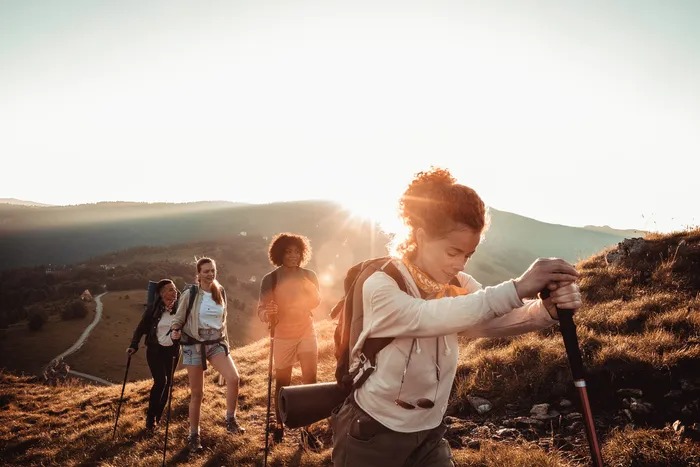
Adventure travel refers to trips that involve physical activity, cultural exchange, and interaction with nature. It can range from hiking through remote mountains and scuba diving in deep oceans to exploring ancient ruins or biking across rugged terrains. What makes adventure travel unique is the spirit of exploration—it’s about embracing uncertainty and discovering the world through experiences that make your heart race.
Adventure travelers seek not only excitement but also authenticity. They want to feel connected to local cultures, landscapes, and people. Whether it’s trekking in Nepal, desert camping in Morocco, or skydiving in Dubai, each adventure destination tells a different story.
Types of Adventure Travel
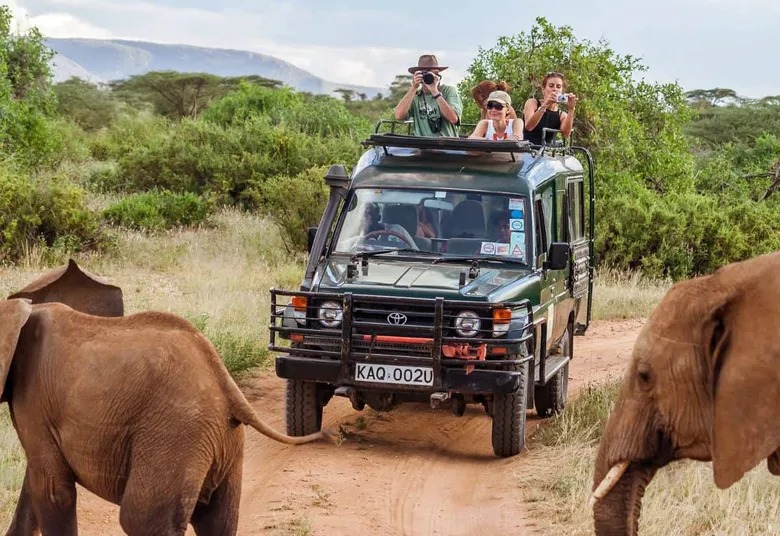
Adventure travel can be divided into three main types: soft adventures, hard adventures, and cultural adventures.
- Soft Adventure
This is ideal for beginners or those who want to enjoy excitement without taking extreme risks. Activities include kayaking, wildlife safaris, camping, snorkeling, or hiking. It’s safe yet stimulating—perfect for travelers looking for balance between thrill and comfort. - Hard Adventure
For adrenaline seekers, hard adventure travel is the ultimate challenge. This includes mountain climbing, bungee jumping, deep-sea diving, paragliding, or white-water rafting. These activities require physical fitness, training, and courage but offer unmatched satisfaction and pride once achieved. - Cultural or Experiential Adventure
This type focuses on exploring local traditions, food, and lifestyles. Travelers might live with indigenous communities, learn traditional crafts, or explore offbeat historical sites. It’s less about physical risk and more about emotional and cultural discovery.
Top Adventure Travel Destinations Around the World
- New Zealand – The Land of Extreme Sports
Known as the adventure capital of the world, New Zealand offers everything from bungee jumping in Queenstown to hiking on the Tongariro Alpine Crossing. Its breathtaking landscapes make every adventure unforgettable. - Nepal – The Himalayan Experience
Nepal is a paradise for trekkers. The Everest Base Camp trek and Annapurna Circuit attract thousands of travelers each year. Apart from trekking, Nepal also offers paragliding, mountain biking, and white-water rafting. - Iceland – Land of Fire and Ice
Adventure travel in Iceland involves exploring glaciers, volcanoes, and hot springs. Visitors can go ice climbing, snowmobiling, or hiking through lava fields while witnessing the Northern Lights. - Costa Rica – Tropical Adventure Haven
Costa Rica is famous for eco-adventure travel. Zip-lining through rainforests, surfing on Pacific beaches, and exploring volcanoes make it a dream destination for adventure lovers. - Morocco – Desert Adventures and Culture
Camel trekking through the Sahara Desert, camping under the stars, and exploring old medinas give travelers both thrill and cultural depth. - Switzerland – Alpine Challenges
Adventure travel in Switzerland offers hiking, skiing, and skydiving among the Alps. The country’s perfect blend of safety and excitement makes it suitable for all kinds of travelers.
Why Choose Adventure Travel?
Adventure travel isn’t only about excitement—it has deep personal and environmental benefits:
- Personal Growth:
Facing challenges helps build resilience, confidence, and problem-solving skills. Overcoming physical and mental barriers makes you stronger. - Connection with Nature:
Adventure travel brings you closer to the environment. Trekking, diving, or camping helps you appreciate the natural world and understand why conservation is essential. - Cultural Understanding:
Meeting new people and experiencing different lifestyles fosters empathy and global awareness. Adventure travel teaches respect for diversity and traditions. - Health and Fitness:
Many adventure activities involve physical exertion, improving cardiovascular health, stamina, and overall well-being. - Mental Wellness:
Being in nature and trying new things releases endorphins and reduces stress. It provides a sense of freedom and rejuvenation.
Tips for Planning an Adventure Travel Trip
- Research Your Destination:
Understand local rules, safety conditions, and weather patterns before you go. Adventure travel requires preparation to ensure safety. - Pack Smart:
Take essential gear based on your activity—trekking shoes, waterproof jackets, first-aid kits, and travel insurance are must-haves. - Start Small:
If you’re new to adventure travel, begin with moderate activities before taking on extreme adventures. - Stay Sustainable:
Respect local communities and natural habitats. Avoid leaving waste behind and support eco-friendly tour operators. - Travel with Professionals:
Choose certified guides or adventure agencies. Their expertise ensures safety and enhances the experience.
Sustainability and Responsible Adventure Travel
Modern travelers are increasingly aware of their environmental impact. Responsible adventure travel means exploring without harming the planet. Eco-tourism and sustainable practices ensure that local communities benefit from tourism while natural resources remain protected.
Participating in clean-up drives, choosing eco-lodges, and respecting wildlife are small steps that make a big difference. Adventure travel should leave behind only footprints—not pollution.
The Future of Adventure Travel
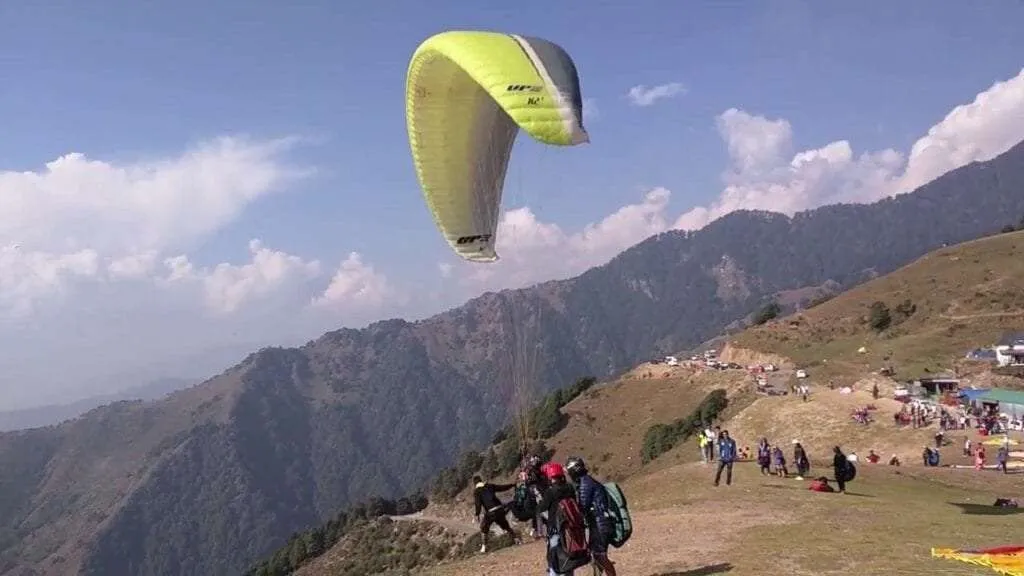
With growing interest in wellness, sustainability, and outdoor activities, adventure travel is becoming one of the fastest-growing tourism segments worldwide. More travelers are seeking meaningful experiences instead of luxury hotels. This shift shows that adventure travel isn’t just a trend—it’s a lifestyle choice for those who want to live life to the fullest.