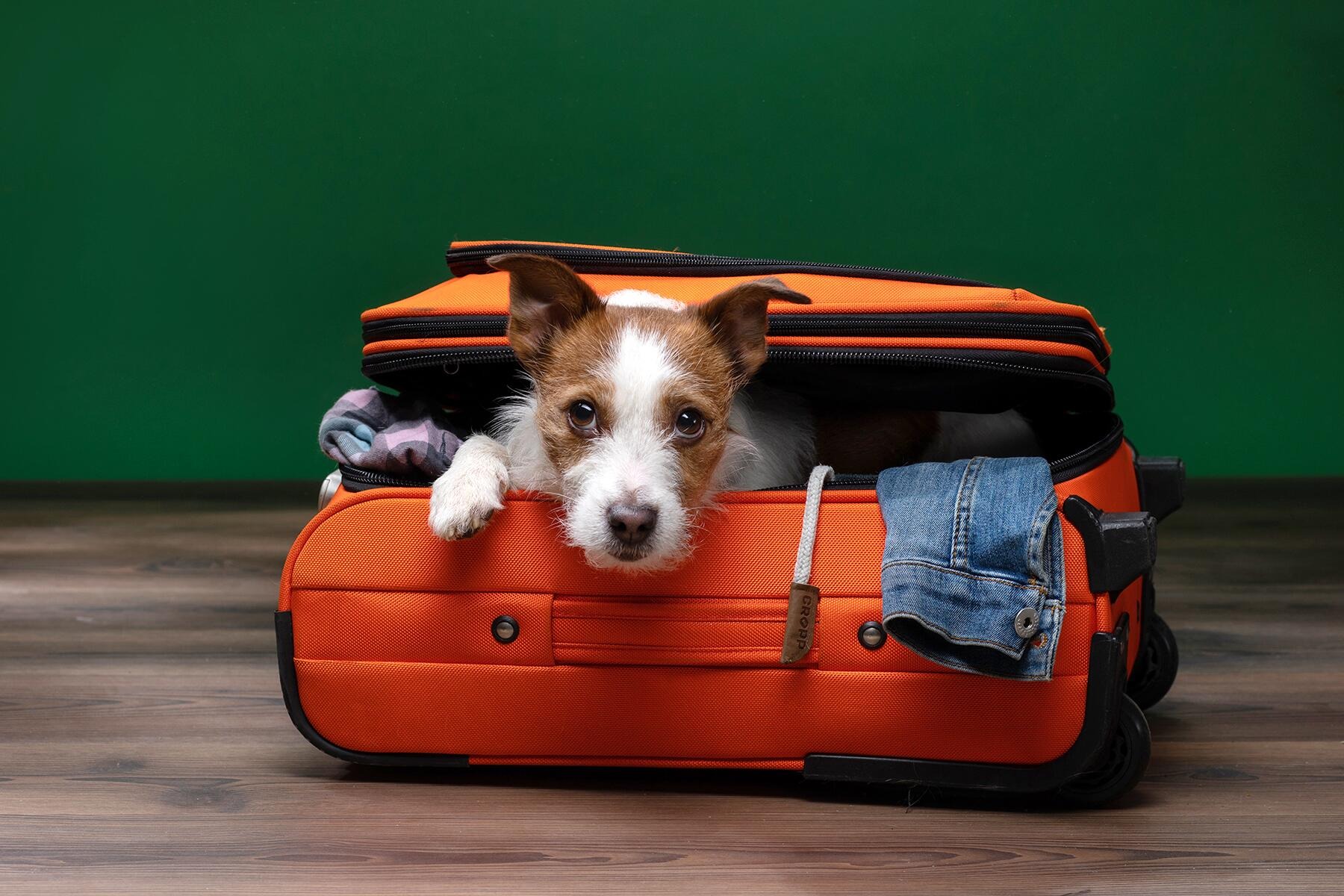
Traveling is always exciting — but when your furry companion joins the journey, it becomes even more special. Pet travel has become increasingly popular as more pet owners view their animals as true members of the family. Whether you’re planning a road trip, flight, or international adventure, taking your pet along requires proper planning, preparation, and care.
In this article, we’ll explore everything you need to know about pet travel — from choosing the right transport and packing essentials to health safety tips and travel rules.
1. Understanding Pet Travel
Pet travel simply means taking your animal companion along when you travel, whether locally or internationally. This can involve traveling by car, train, or airplane. However, unlike human travel, pet travel requires additional consideration for comfort, safety, and regulations.
Many countries and airlines now have dedicated pet travel policies that help owners transport their animals safely. As a responsible pet owner, understanding these rules ensures that your pet’s journey is as smooth as yours.
2. Planning Your Trip Ahead
Proper planning is key to a successful pet trip. Before traveling, research the destination’s pet policies, especially if you’re crossing borders. Some countries require vaccination records, health certificates, or even quarantine periods for pets.
Also, check your accommodation. Many hotels, Airbnb hosts, and resorts now offer pet-friendly stays, but not all allow animals. Confirm these details in advance to avoid last-minute problems.
Checklist before traveling with pets:
- Verify pet travel regulations for your destination.
- Schedule a vet check-up.
- Ensure all vaccinations are up to date.
- Pack all essential pet items (food, leash, carrier, toys, etc.).
- Book pet-friendly accommodation and transport.
3. Choosing the Right Mode of Transportation
Every type of travel — by car, plane, train, or ship — has its own requirements for pets. Let’s look at each option in detail.
a. Pet Travel by Car
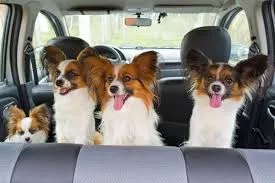
Car travel is often the most convenient and comfortable for pets. Dogs, especially, tend to enjoy the ride if properly secured.
- Use a pet seat belt, harness, or carrier for safety.
- Avoid feeding your pet right before travel to prevent motion sickness.
- Keep the car well-ventilated and never leave your pet alone in a parked car.
- Stop for regular breaks to let your pet stretch, drink, and relieve itself.
b. Pet Travel by Air
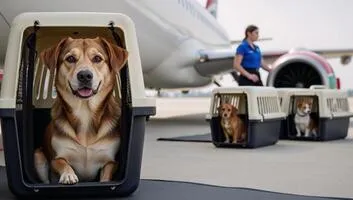
Air travel is more complex and requires strict compliance with airline regulations.
- Contact the airline in advance to understand their pet travel policy.
- Some airlines allow small pets in the cabin if they fit under the seat. Larger pets may need to travel in the cargo hold.
- Choose direct flights to reduce stress and waiting times.
- Label your pet’s crate with your contact information.
c. Pet Travel by Train or Bus

Train and bus policies vary by country and company.
- Small pets may be allowed if kept in carriers.
- Service animals are usually permitted at no cost.
- Always confirm pet travel rules before booking tickets.
4. Preparing Your Pet for the Journey
Pets need time to adapt to new environments and travel conditions. Here’s how to prepare your furry friend:
- Get your pet used to the carrier: Leave it open at home for a few days before travel so your pet feels comfortable inside.
- Short practice trips: Take your pet on short drives to help them adjust.
- Keep them calm: Use calming treats or pheromone sprays if your pet gets anxious.
- Maintain regular feeding schedules: Try to feed at the same times as at home.
Remember — your calm behavior can also help your pet stay relaxed during the trip.
5. Health and Safety Considerations
Before starting any pet travel, a visit to the veterinarian is essential.
- Get a health certificate if required (usually issued within 10 days of travel).
- Make sure your pet’s vaccinations (especially rabies) are updated.
- Carry a first aid kit for emergencies.
- Keep your vet’s contact number and an emergency vet clinic number at your destination.
If your pet has chronic conditions, ask your vet for travel-specific medication or care instructions.
6. Packing Essentials for Pet Travel
Just like humans, pets need their own luggage! Packing smart ensures your companion stays comfortable throughout the journey.
Pet travel essentials include:
- Food and water bowls
- Extra food and bottled water
- Leash, collar, and ID tag
- Waste bags or litter box (for cats)
- Blanket or bed
- Toys and chew items
- Health and vaccination records
- Medications (if any)
- Grooming supplies
Packing familiar items — like your pet’s favorite toy or blanket — helps them feel secure in new environments.
7. Tips for a Stress-Free Travel Experience
Traveling can be stressful for pets, especially if it’s their first time. Here are some practical tips:
- Keep your pet’s routine as normal as possible.
- Feed lightly before departure.
- Avoid exposing them to loud noises or crowds.
- Give your pet plenty of praise and reassurance.
- Upon arrival, allow time to explore the new environment gradually.
A calm, well-prepared pet makes the journey enjoyable for both of you.
8. Pet Travel Etiquette
When traveling, it’s important to respect other travelers and public spaces.
- Keep your pet on a leash in public areas.
- Always clean up after your pet.
- Avoid letting pets sit on hotel furniture unless permitted.
- Follow local pet rules — especially in parks or beaches.
Good pet travel etiquette ensures that pets continue to be welcome everywhere.
9. International Pet Travel Tips
If you’re crossing borders, regulations become stricter.
- Research destination rules early — some countries ban certain breeds.
- Get a microchip for your pet, as it’s mandatory in many regions.
- Carry original vaccination documents and import permits.
- Learn about quarantine requirements.
Countries like Australia, Japan, and the UK have strict animal import laws, so start preparing months before your trip.
10. After the Trip: Helping Your Pet Adjust
Once you reach your destination, give your pet time to adapt.
- Offer fresh food and water immediately.
- Allow them to rest after a long journey.
- Monitor for signs of stress or sickness.
- Take short walks or play sessions to help them adjust to the new surroundings.
Returning home also requires adjustment, so continue showing patience and love.