When we think about school life, we often imagine books, classrooms, and exams. But one of the most exciting and unforgettable parts of student life is the school camp. It’s that special time of the year when students leave their regular routines behind and step into a world of nature, adventure, and teamwork.
School camp is not just a holiday; it’s an educational and emotional journey. It helps students learn about responsibility, leadership, cooperation, and self-confidence — all while having fun in the great outdoors.
What Is a School Camp?
A school camp is a short-term educational trip organized by schools to take students outside the classroom for experiential learning. It usually takes place in a natural setting — like mountains, forests, beaches, or countryside areas.
These camps are carefully planned so students can experience real-life situations and learn important life lessons such as teamwork, independence, and adaptability. Most school camps last between two to five days, depending on the age group and the school’s goals.
Objectives of a School Camp
The main aim of organizing a school camp goes far beyond fun and games. It’s a combination of education, character building, and recreation. Some key objectives include:
- Encouraging Independence: Students learn to take care of themselves away from home — managing their belongings, organizing their time, and making small decisions independently.
- Building Team Spirit: Group activities teach students the importance of working together, listening, and supporting each other.
- Enhancing Environmental Awareness: Spending time in nature helps students understand and appreciate the environment.
- Developing Leadership Skills: Camps provide opportunities for students to lead group activities or make decisions, enhancing their leadership qualities.
- Promoting Physical Fitness: Outdoor games, trekking, and adventure activities improve strength, coordination, and stamina.
Planning and Preparation of a School Camp
Organizing a successful school camp requires careful planning and teamwork between teachers, students, and parents. Preparation includes the following major steps:
1. Selecting the Location
The camp site should be safe, educational, and full of activities suitable for students. It could be a mountain area, a wildlife park, or a beach resort designed for educational camps.
2. Safety Arrangements
Schools ensure that medical facilities, trained instructors, and first-aid kits are available. Teachers are assigned to small groups to supervise students during all activities.
3. Packing Checklist
Students are usually given a checklist that includes clothes, toiletries, sleeping bags, water bottles, flashlights, sunscreen, and insect repellent. Proper packing ensures comfort and hygiene throughout the trip.
4. Pre-Camp Orientation
Teachers conduct meetings before the trip to explain rules, expected behavior, and emergency protocols. This helps students feel prepared and confident.
Common Activities During School Camp
The most exciting part of any school camp is the wide variety of fun-filled and educational activities. These activities help students learn new skills, face challenges, and create lifelong memories.
1. Adventure Sports
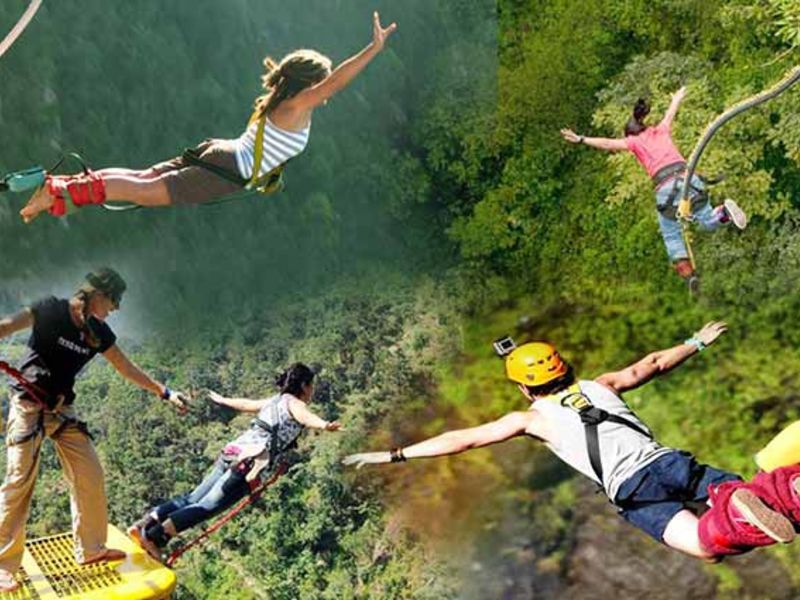
Camps often include safe adventure sports such as rock climbing, hiking, canoeing, and zip-lining. These activities boost confidence and encourage students to step beyond their comfort zones.
2. Team-Building Games
Group games like tug-of-war, scavenger hunts, or obstacle courses teach teamwork and communication. They also help shy students become more confident and social.
3. Nature Exploration
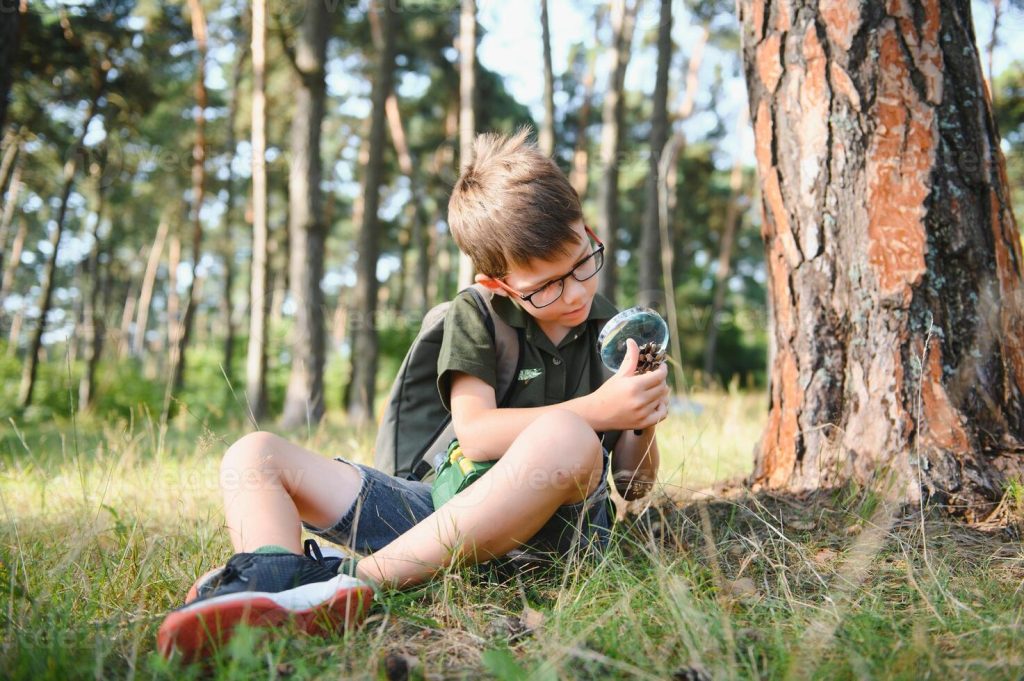
Students go on nature walks, bird watching, and tree identification tours. These activities develop curiosity about the environment and promote eco-friendly behavior.
4. Campfire Evenings
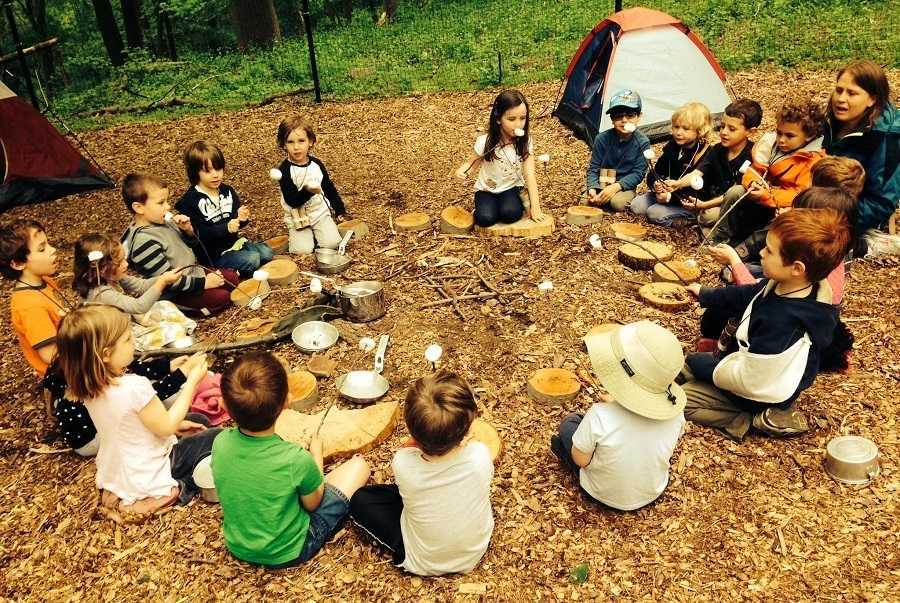
Campfire nights are often the highlight of every school camp. Students gather around the fire, sing songs, share stories, and perform skits. It builds unity, joy, and unforgettable memories.
5. Creative Workshops

Some camps include painting, photography, or drama workshops. These sessions allow students to express their creativity and learn new hobbies.
Educational Value of School Camps
A school camp is a classroom without walls — every activity teaches something valuable.
- Experiential Learning: Instead of just reading about concepts, students experience them practically. For example, studying ecosystems while exploring a forest.
- Problem-Solving Skills: Students face small challenges like cooking for a group or finding their way through a trail, improving their decision-making and analytical skills.
- Communication Development: Living together teaches students to communicate clearly and respectfully.
- Leadership Training: Students often take turns leading their groups, helping them develop leadership and responsibility.
Health and Safety at School Camp
Safety is the number one priority at any school camp. Teachers and organizers ensure that every student is secure during all activities.
- Medical Support: A trained first-aid team is always available.
- Supervision: Teachers monitor every group 24/7 to ensure discipline and care.
- Safe Equipment: All adventure activities use certified and well-maintained gear.
- Emergency Procedures: Camps have clear emergency plans for bad weather, injuries, or other issues.
These safety standards make sure students can enjoy the adventure without risk.
Life Lessons Learned at School Camp
The lessons learned at a school camp go far beyond academics. Students gain experiences that stay with them for life:
- Responsibility: Taking care of their things and following rules teaches responsibility.
- Confidence: Completing new challenges builds courage and self-esteem.
- Respect: Students learn to respect teachers, peers, and the environment.
- Adaptability: Living in new surroundings helps them adjust to different situations.
Emotional and Social Development
A school camp gives students a chance to form deeper friendships. Sharing tents, food, and experiences brings them closer. It also teaches empathy, understanding, and cooperation — essential values for personal growth.
For many, school camp is the first time they spend nights away from home, helping them become emotionally stronger and more independent.
Environmental Awareness and Sustainability
Modern school camps emphasize environmental education. Students learn how human actions affect nature and what steps can be taken to protect the planet.
Activities like tree planting, waste segregation, and clean-up drives teach practical lessons in sustainability. This hands-on approach encourages young learners to become responsible global citizens.
Lasting Memories and Impact
Ask any adult about their favorite school memories, and you’ll often hear stories about camp days. These moments stay in the heart forever — the laughter, challenges, friendships, and fun.
Students often return home with new skills, stronger friendships, and a better understanding of the world. Many even say that their school camp experience changed their perspective and gave them confidence they didn’t know they had.
Why Every Student Should Attend a School Camp
Every student deserves to experience the magic of a school camp. It’s a journey that shapes their personality and broadens their horizons.
- It promotes personal growth and independence.
- It strengthens teamwork and communication.
- It builds love and respect for nature.
- It provides unforgettable, joyful experiences.
Conclusion
A school camp is not just a trip — it’s an adventure that teaches lessons of courage, friendship, and discovery. It blends learning with fun and helps students see life from a broader, more exciting perspective.
When students return from a school camp, they come back not only with beautiful memories but also with valuable skills, greater confidence, and a sense of connection to the world around them.
School camp proves that the best classrooms are sometimes found under the open sky, by a campfire, surrounded by friends and laughter.