Introduction
A safari in South Africa is more than just a trip; it is an extraordinary journey into the wild heart of nature. The landscapes are vast and diverse, ranging from golden savannahs to deep forests, and each moment brings a new adventure. A travel South Africa safari allows you to experience the Big Five, explore ancient cultures, and witness breathtaking sunsets that paint the sky in unforgettable colors.
Whether you are planning your first safari or returning for another thrilling experience, South Africa offers an ideal blend of adventure, comfort, and natural beauty. From the famous Kruger National Park to the luxurious Sabi Sands Reserve, every corner of the country offers something unique for travelers.
Why Choose South Africa for a Safari
South Africa is one of the most developed safari destinations in the world, combining excellent wildlife viewing with modern infrastructure. Here are the main reasons travelers choose a travel South Africa safari:
- Incredible diversity of wildlife and landscapes.
- Easy access through well-maintained roads and airports.
- A wide range of accommodation, from budget camps to five-star lodges.
- Year-round safari opportunities due to the pleasant climate.
- Strong conservation programs ensuring long-term wildlife protection.
This combination of accessibility, safety, and biodiversity makes South Africa a top safari destination for all kinds of travelers.
Top Safari Destinations in South Africa
1. Kruger National Park
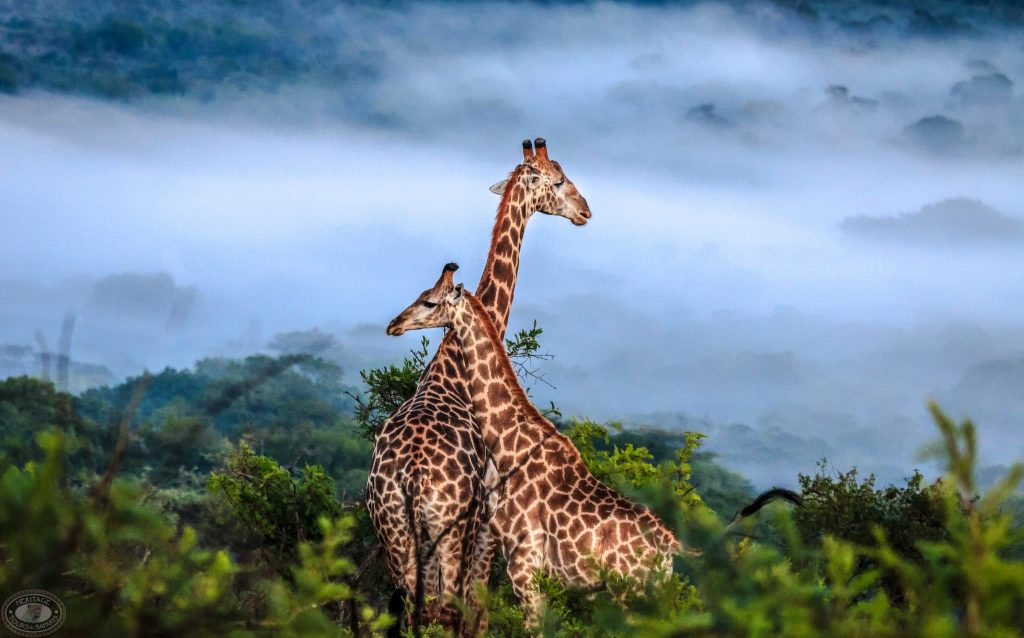
Kruger National Park is the crown jewel of South African safaris. Covering almost 19,000 square kilometers, it is one of Africa’s largest and most famous reserves. It is home to the Big Five—lion, leopard, buffalo, elephant, and rhino—along with more than 500 bird species.
Visitors can choose between self-drive safaris or guided tours. Kruger also offers a range of accommodation, from simple camps to luxury lodges, making it suitable for every budget.
Highlights:
- Excellent for first-time visitors.
- Big Five sightings are almost guaranteed.
- Affordable and well-organized facilities.
- Ideal for photography and birdwatching.
2. Sabi Sands Game Reserve
Located next to Kruger National Park, Sabi Sands is known for its luxury and exclusivity. There are no fences separating the two parks, allowing animals to move freely. The reserve is particularly famous for close encounters with leopards and its world-class lodges.
Highlights:
- Private and exclusive lodges.
- Professional guides and trackers.
- Close-up wildlife encounters.
- Ideal for honeymooners and photographers.
3. Addo Elephant National Park
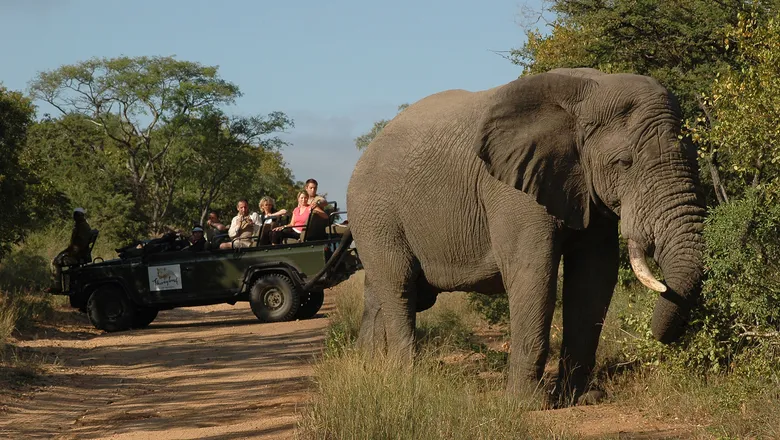
Situated in the Eastern Cape, Addo Elephant National Park began as a small sanctuary for a few elephants and has grown into one of the country’s most impressive conservation areas. It is also the only park in the world where you can see the Big Seven—the Big Five plus whales and great white sharks along the coast.
Highlights:
- Malaria-free environment.
- Family-friendly facilities.
- Combination of land and marine wildlife.
- Affordable and easy to reach.
4. Madikwe Game Reserve
Madikwe lies near the Botswana border and offers a quieter, malaria-free experience. It is one of South Africa’s best community-run reserves, focusing on both wildlife protection and local development.
Highlights:
- Known for wild dogs and cheetahs.
- Eco-friendly lodges and sustainable tourism.
- Excellent for families and groups.
- Professional guided safaris.
Comparison Table: Major Safari Parks in South Africa
| Park Name | Location | Famous For | Ideal For | Type of Safari | Best Time to Visit |
| Kruger National Park | Mpumalanga, Limpopo | Big Five, Self-drive routes | All travelers | Self-drive & Guided | May – September |
| Sabi Sands Game Reserve | Adjacent to Kruger | Leopards, Luxury Lodges | Couples, Photographers | Guided Private Safaris | All year |
| Addo Elephant Park | Eastern Cape | Elephants, Coastal Wildlife | Families | Self-drive & Guided | June – November |
| Madikwe Game Reserve | North West Province | Wild Dogs, Malaria-free Zone | Families, Eco-Tourists | Guided Safaris | April – September |
| Hluhluwe–iMfolozi Park | KwaZulu-Natal | Rhino Conservation | Nature Lovers | Guided & Walking Safaris | May – August |
Types of Safari Experiences
1. Self-Drive Safari
A self-drive safari gives travelers independence and flexibility. You can explore at your own pace, stop for photography, and experience nature without time limits. Kruger and Addo are popular parks for this style of travel.
2. Guided Game Drives
Guided safaris are perfect for beginners. Experienced rangers and trackers share insights about animal behavior, ensuring a safe and educational experience. These drives often take place early morning or late afternoon when animals are most active.
3. Walking Safaris
Walking safaris bring you even closer to nature. Guided by armed rangers, you can track footprints, study plants, and experience the thrill of being on foot in the wild.
4. Luxury Safaris
Luxury safaris combine comfort and wilderness. Private lodges offer fine dining, spa treatments, and infinity pools overlooking the savannah—perfect for travelers who seek both adventure and relaxation.
Best Time to Travel South Africa Safari
| Season | Months | What to Expect |
| Dry Season | May – September | Best for wildlife viewing, cooler days, animals gather near waterholes. |
| Wet Season | October – April | Lush landscapes, bird migration, and newborn animals but occasional rain. |
Both seasons have unique beauty. The dry season is perfect for game drives, while the wet season offers dramatic scenery and vibrant vegetation.
Cultural and Culinary Experiences
A travel South Africa safari also introduces you to the country’s rich culture. Many lodges arrange village visits, local craft demonstrations, and traditional performances. These cultural exchanges allow travelers to connect with local communities and understand their deep relationship with nature.
The food experience is equally special. Enjoy local dishes such as biltong (dried meat), bobotie (spiced baked mince), and potjiekos (stew cooked in an iron pot). Many lodges serve dinner outdoors around a campfire under the stars, creating an unforgettable atmosphere.
Travel Tips for a Perfect Safari
- Book your safari lodges in advance, especially during peak months.
- Pack neutral-colored clothing, binoculars, sunscreen, and insect repellent.
- Follow park rules: never feed or disturb the animals.
- Carry a good camera and extra memory cards.
- Respect nature by supporting eco-friendly accommodations.
Estimated Safari Costs (Per Person)
| Safari Type | Average Cost (USD/Day) | Includes |
| Self-Drive Safari | 100 – 200 | Park fees, accommodation, vehicle rental |
| Guided Safari | 250 – 500 | Game drives, meals, and lodge stay |
| Luxury Safari Lodge | 600 – 1,200 | All-inclusive services with private guide |
| Budget Safari Camp | 80 – 150 | Basic accommodation and shared safaris |
Costs vary by location, season, and level of comfort, making safaris accessible to every type of traveler.
Conservation and Responsible Tourism
Wildlife protection is at the core of every South African safari. Many reserves contribute to conservation through anti-poaching patrols, animal rehabilitation, and community development programs.
By choosing responsible safari operators, you help protect endangered species like rhinos and wild dogs and support local livelihoods. Responsible tourism ensures that Africa’s natural wonders will continue to thrive for future generations.
Conclusion
A travel South Africa safari is a journey that transforms the way you see nature. It brings together wildlife, adventure, culture, and tranquility in one remarkable experience. From watching elephants at sunset in Kruger to enjoying luxury in Sabi Sands or exploring the family-friendly Addo Elephant Park, South Africa offers safaris that suit every traveler’s dream.
This is not just a vacation—it is an unforgettable encounter with the raw and beautiful spirit of Africa. Pack your camera, open your heart to the wild, and let South Africa’s wilderness tell its timeless story.