Introduction
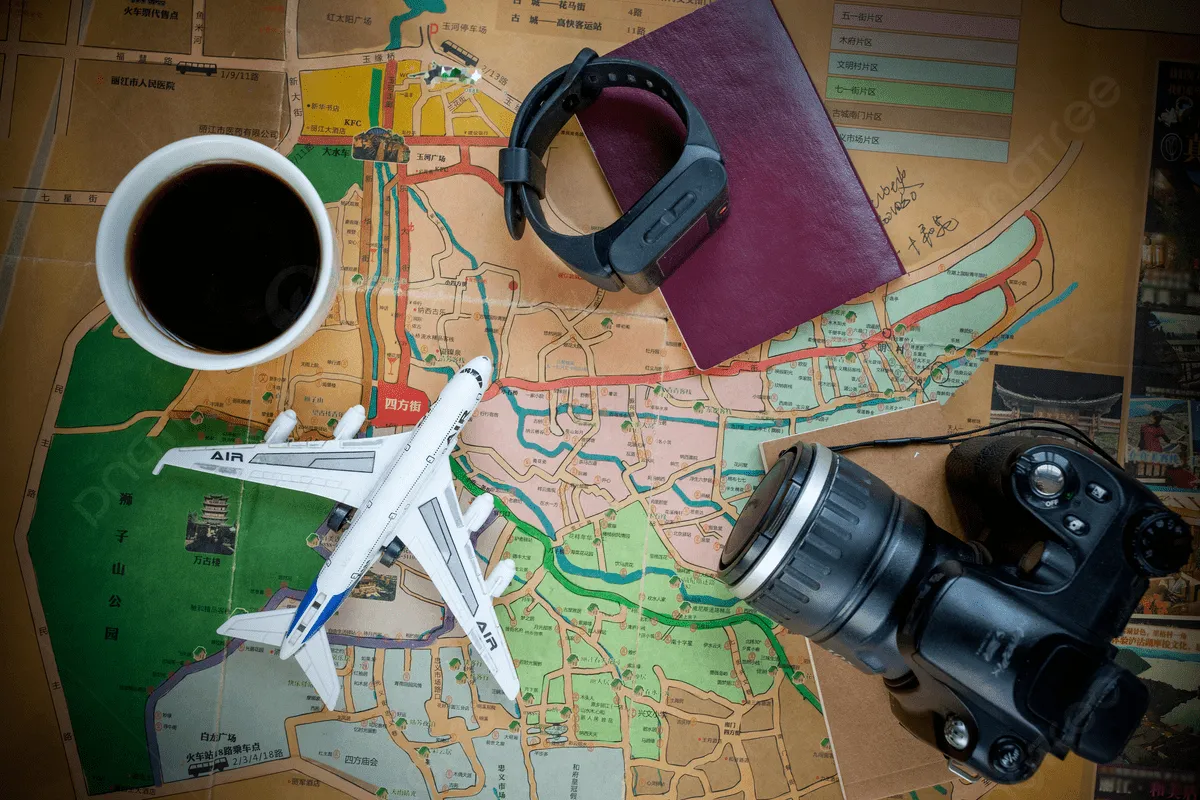
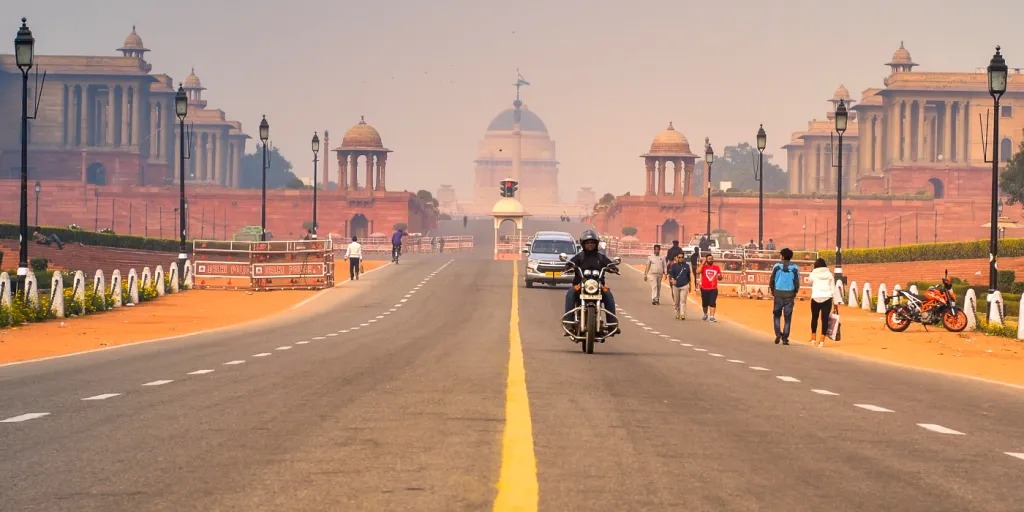
Urban tourism has become one of the most exciting and fast-growing trends in global travel. It revolves around exploring vibrant cities, discovering cultural heritage, modern architecture, local cuisines, and the dynamic lifestyles that define metropolitan life. From skyscrapers that touch the clouds to ancient monuments hidden in bustling streets, urban tourism offers a perfect blend of history, innovation, and entertainment.
In today’s world, cities are more than just business hubs — they are living museums filled with creativity, culture, and countless experiences. Tourists are no longer visiting only natural landscapes; they now seek the energy of urban environments where tradition meets modernity.
What is Urban Tourism?
Urban tourism refers to travel that takes place in city environments, focusing on attractions such as museums, festivals, shopping districts, entertainment centers, and historical landmarks. It’s about immersing yourself in the heart of a city — understanding its people, culture, art, food, and way of life.
Popular urban destinations like New York, Paris, Tokyo, London, and Dubai attract millions of visitors annually. Each city has its own unique character, offering travelers something different — whether it’s art galleries, fashion, technology, nightlife, or cultural heritage.
Importance of Urban Tourism
Urban tourism is not just about sightseeing; it plays a crucial role in the global economy. Cities rely on tourism to generate jobs, income, and international connections. Urban destinations contribute significantly to hospitality, retail, and transport industries, making them central to a country’s economic growth.
Moreover, urban tourism helps preserve cultural heritage by encouraging the restoration of old neighborhoods, museums, and monuments. It also promotes innovation in transport systems, eco-friendly infrastructure, and smart-city planning to enhance visitor experiences.
Major Attractions in Urban Tourism
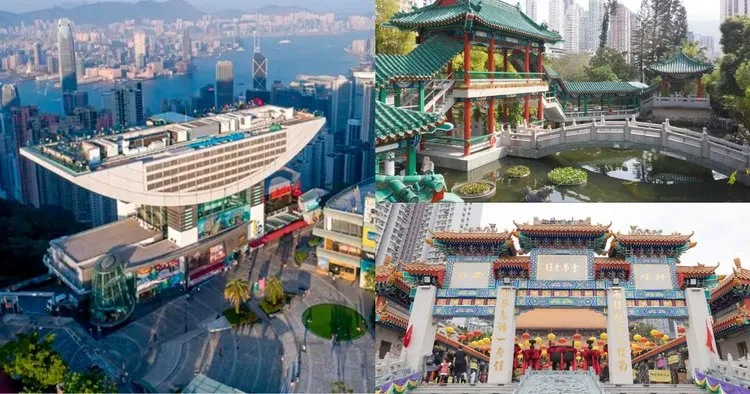
Urban tourism provides endless attractions that cater to all types of travelers:
- Cultural Heritage Sites – From the Eiffel Tower in Paris to the Great Wall of China’s city edges, heritage landmarks are major magnets for tourists.
- Museums and Art Galleries – Urban centers often showcase art, science, and history. Cities like London, Madrid, and New York offer world-class museums that attract millions each year.
- Shopping Districts – For those who love retail therapy, cities like Dubai, Milan, and Singapore offer luxury malls and local markets.
- Food and Cuisine – Urban areas are melting pots of flavors. Tourists can enjoy street food, fine dining, and fusion cuisine reflecting diverse cultures.
- Nightlife and Entertainment – From New York’s Broadway to Seoul’s K-pop concerts, city nights are alive with music, theater, and festivals.
These attractions make urban tourism exciting, diverse, and full of life.
The Role of Technology in Urban Tourism
Technology has transformed how people experience cities. Travelers now use mobile apps for maps, virtual guides, restaurant bookings, and online reviews. Smart cities have introduced e-tourism solutions like digital tickets, virtual museum tours, and AI-based recommendations to enhance convenience.
With social media platforms like Instagram and YouTube, urban tourists share experiences in real-time, inspiring others to explore destinations they might never have considered. This digital shift has made urban tourism more accessible, engaging, and personalized.
Challenges in Urban Tourism
Despite its growth, urban tourism faces challenges that need attention:
- Overcrowding – Popular cities often struggle with tourist congestion, affecting both locals and the environment.
- Pollution and Sustainability – Urban areas must balance tourism with environmental protection through eco-friendly practices.
- Cultural Preservation – Rapid modernization can sometimes overshadow traditional culture and heritage.
- Affordability – Rising prices in city centers can make travel expensive for many visitors.
To overcome these challenges, cities are promoting sustainable urban tourism, ensuring that growth does not harm the local environment or communities.
Sustainable Urban Tourism
Sustainability is now a priority for city planners and travelers alike. Green hotels, electric public transport, pedestrian-friendly streets, and recycling initiatives are making tourism more responsible.
Tourists are also becoming aware of their impact. They now prefer eco-conscious accommodations, local products, and cultural experiences that support communities. Urban tourism, when practiced sustainably, creates a positive balance between economic growth and environmental care.
Future of Urban Tourism
The future of urban tourism is bright and innovative. As cities evolve, they are becoming smarter, greener, and more connected. Artificial intelligence, smart transportation, and digital city guides will redefine how tourists explore.
Post-pandemic trends show that travelers are seeking meaningful experiences — not just photos. They want to connect with locals, learn about history, and understand the real identity of a city. Urban destinations that offer authenticity and sustainability will lead the next era of tourism.
Popular Urban Tourism Destinations
Some of the most visited urban destinations in the world include:
- Paris, France – The city of love and art.
- New York, USA – The heartbeat of modern life and culture.
- Dubai, UAE – A futuristic city blending tradition with luxury.
- Tokyo, Japan – A perfect mix of technology and ancient charm.
- Istanbul, Turkey – Where East meets West with deep historical roots.
Each destination captures the essence of urban tourism, offering unforgettable experiences that attract millions of travelers every year.
Conclusion
Urban tourism is not just about visiting cities — it’s about feeling their rhythm. From cultural festivals and architectural wonders to modern lifestyles and culinary delights, cities represent the heartbeat of human civilization.
As the world becomes increasingly urbanized, urban tourism continues to connect people, cultures, and innovations. It invites travelers to see beyond buildings — to discover the soul of modern civilization thriving within city streets.
Whether you’re walking through the lights of New York, exploring the traditions of Istanbul, or enjoying coffee in a Parisian café, urban tourism promises a world of discovery waiting in every corner.